
New online NICAS Colloquium on June 11th at 12:00 CET
June 9, 2026
GoGreen webinar on Green Scaffolding coming up in August
June 18, 2026
Authors: Roberta Zanini, Giorgio Brugnone and Arianna Traviglia (IIT)
Introduction
We were invited to develop a web application to support restorers and conservators of cultural heritage to make informed decisions in their practice. Our goal is to offer them an up-to-date, simple, and intuitive tool for assessing the environmental impact of restoration materials such as solvents, adhesives, and cleaning products. With this application, professionals can compare the materials they currently use with more sustainable alternatives, thereby enhancing their work in terms of environmental safety, personal health, museum visitor well-being, and the conservation of the planet’s resources.
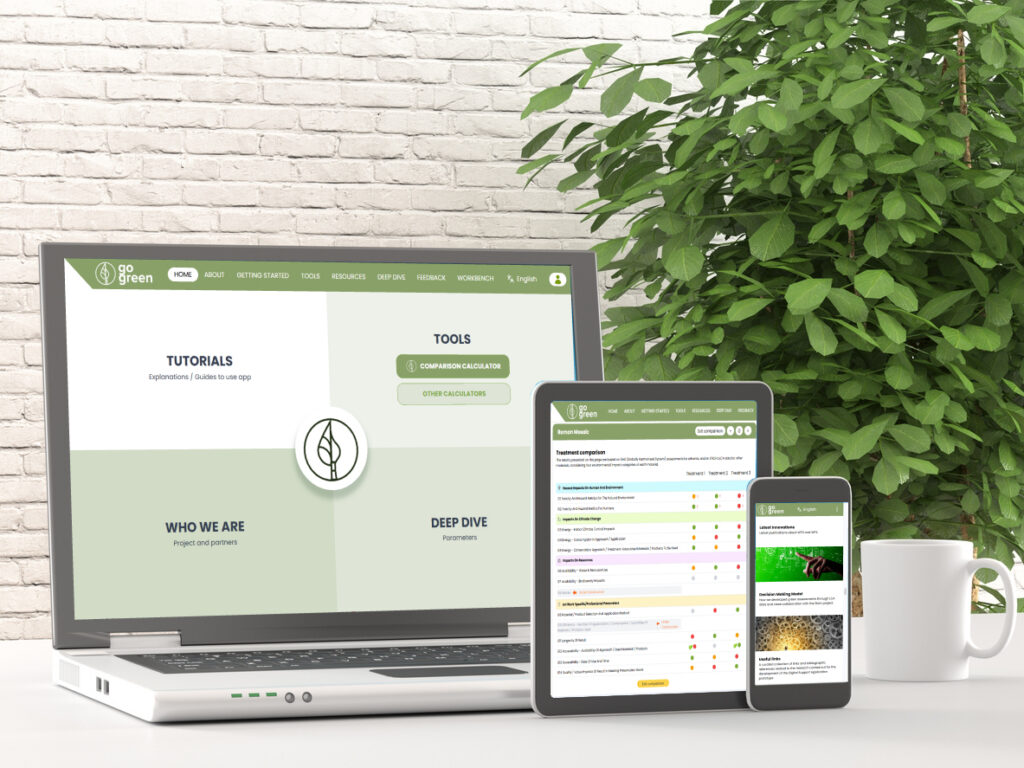
Figure 1: The app’s responsive design makes it easily accessible from any device (desktop, tablet, iPhone) with a browser and an internet connection.
Why a web app?
From the very beginning, we chose to develop an online platform that is accessible from any internet-connected device. This makes the tool usable anywhere in the world, without barriers. Accessibility and share were key priorities for us because sustainability is a global challenge, and solutions must be open to everyone.
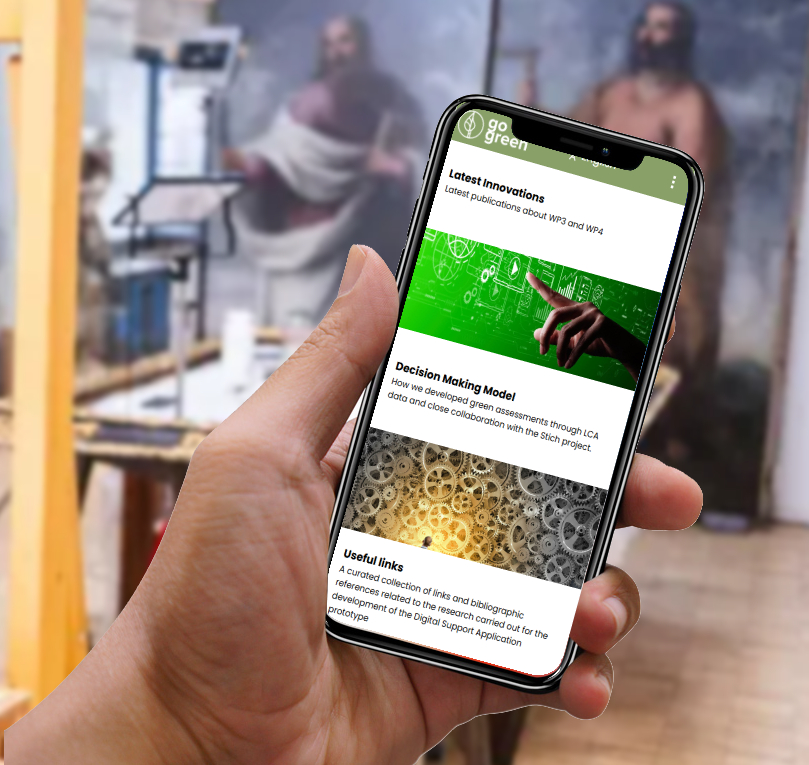
Figure 2: An app that can be easily used, even by people who are not tech-savvy.
How to evaluate materials using the 14 green parameters?
At the heart of our project lies the evaluation of materials and treatments based on the 14 green parameters, designed within the GoGreen project to encompass all possible types of impact for a comprehensive evaluation strategy.
This was no simple task! We discovered that “environmental impact” can mean many different things: toxicity to water, air, and soil, human health, resource consumption during production, land use, and even the journey materials take from their place of production to their place of use. Each of these aspects can lead to different, and sometimes contradictory, results.
For example, ethanol is less toxic than acetone during use; however, its production requires a significant amount of water. Balancing these trade-offs was one of our most challenging tasks.
Two phases of impact
To manage this complexity, we distinguished between two main phases:
- The impact of production and delivery of the material up to the restorer.
- The toxicity of the material during its use.
This distinction allowed us to gain a clearer view of the materials’ life cycle.
For the first phase, we were supported by the STiCH project of the American Foundation for Advancement in Conservation (FAIC), which provided us with Life Cycle Assessment (LCA) data from the Ecoinvent database. For the second phase, we focused on human and environmental toxicity assessments, using hazard assessment of materials.
From data to practical tools
The final step was to translate all this complex data into a truly useful tool for restorers. We developed tables, visual comparisons, and two-dimensional graphs that provide an immediate overview and enable meaningful comparisons between different treatments.
This is how our research evolved into a real decision-support tool: the GoGreen Digital Support Application (DSA).
Conclusion
Developing the GoGreen Digital Support Application has been both a challenging and rewarding experience. We discovered how complex the concept of “green” really is, and how essential it is to balance different impacts to help restorers make informed choices. We are proud to share this tool with the conservation community and with everyone who believes in more sustainable practices for the protection of cultural heritage!