
The final GoGreen conference is almost here!
September 1, 2026
BLOG: GoGreen Academy: From the Lab to the Wider Conservation Community
September 18, 2026
Part 2 of 3: Module demonstrations
Author: Nicole Gasparini Casari (CRT)
Introduction
The GoGreen Academy afforded delegates the opportunity to experience the educational resources developed through Work Package 7 first-hand. Across the two days, participants took part in four interactive module demonstrations that showcased the project’s pedagogical research. Instead of presenting fixed lesson plans, the sessions demonstrated the flexibility of the modules, encouraging participants to discuss how individual activities could be adapted to different educational contexts and audiences. The four modules – Leadership, Materials, Paintings and Objects – were designed as adaptable educational frameworks that educators can tailor to their own teaching environments, reflecting WP7’s aim of producing flexible, open-access learning resources with the widest possible impact.
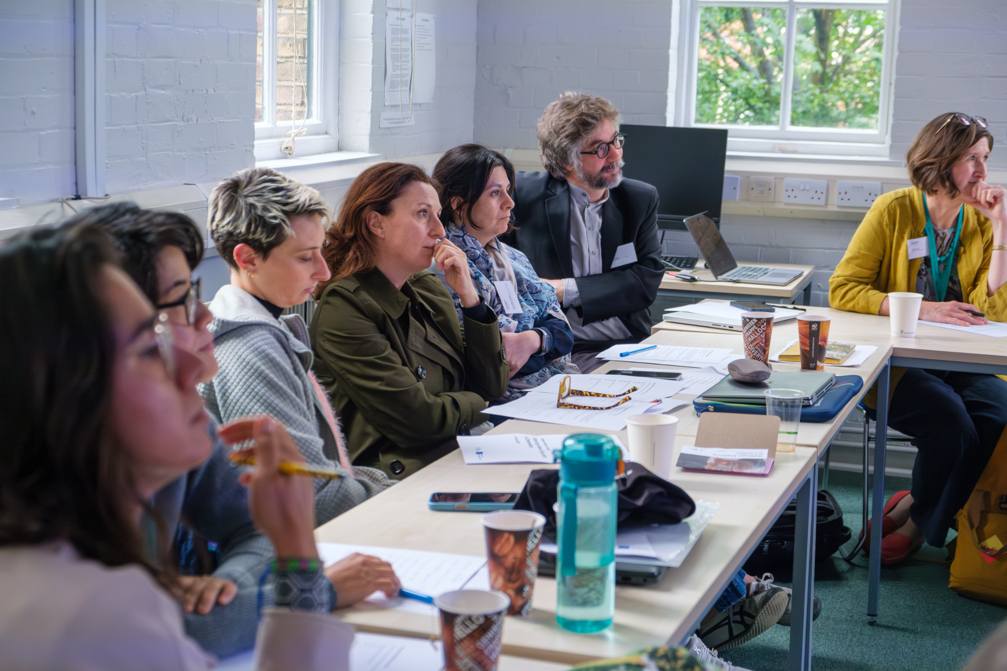
Figure 1: Attendees participating in the Module Demonstrations.
Leadership
The first module, led by Caitlin Southwick (UvA), explored one of the Academy’s central messages: that leadership in green conservation is not determined by professional seniority but by a willingness to act. Focusing on the opening session of the Leadership module, Sustainability and Cultural Heritage, participants reflected on how sustainability can be introduced into conservation teaching and discussed practical ways of encouraging students to become advocates for greener practice. Grounded in the United Nations Sustainable Development Goals (SDGs), the session distinguished between the broader concept of sustainability – encompassing environmental, social and economic dimensions – and the more specific focus of “green” conservation on environmental impact. Participants were encouraged to consider how everyday decisions, regardless of job title or career stage, can contribute to positive change, reinforcing the idea that meaningful leadership begins with individual action.
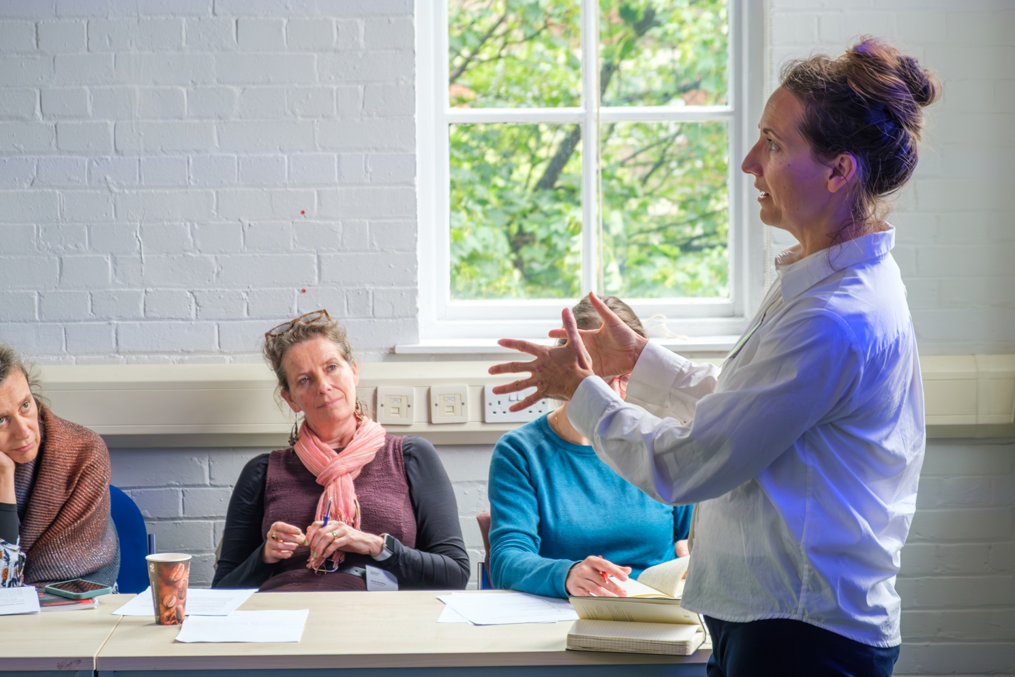
Figure 2: Caitlin Southwick (UvA) presenting “Leadership in Green Conservation”.
A forthcoming Decision-Making Module (DMM) will complement the educational materials by providing practical tools to help evaluate the sustainability impacts of conservation decisions. Participants found that the session plan could be readily adapted for teaching and professional development, demonstrating the practical value of the Leadership module.
Materials
The Materials module, presented by Łukasz Bratasz (IKIFP), focused on preventive conservation and environmental management through a demonstration of HERIe, the decision-support software developed within GoGreen. Rather than prescribing fixed environmental conditions, HERIe enables users to assess risks to collections by modelling how different environmental scenarios affect object preservation, helping institutions balance collection care with more sustainable environmental control strategies.
Questions from participants centred primarily on the practical use of the software and its potential applications within conservation practice. During the discussion, Bratasz observed that HERIe is currently used predominantly by conservation scientists and educators, despite conservators frequently attending workshops introducing the software. This prompted wider reflection on how tools developed through research projects can become more accessible to practicing conservators, particularly given their central role in recommending environmental parameters for collections.
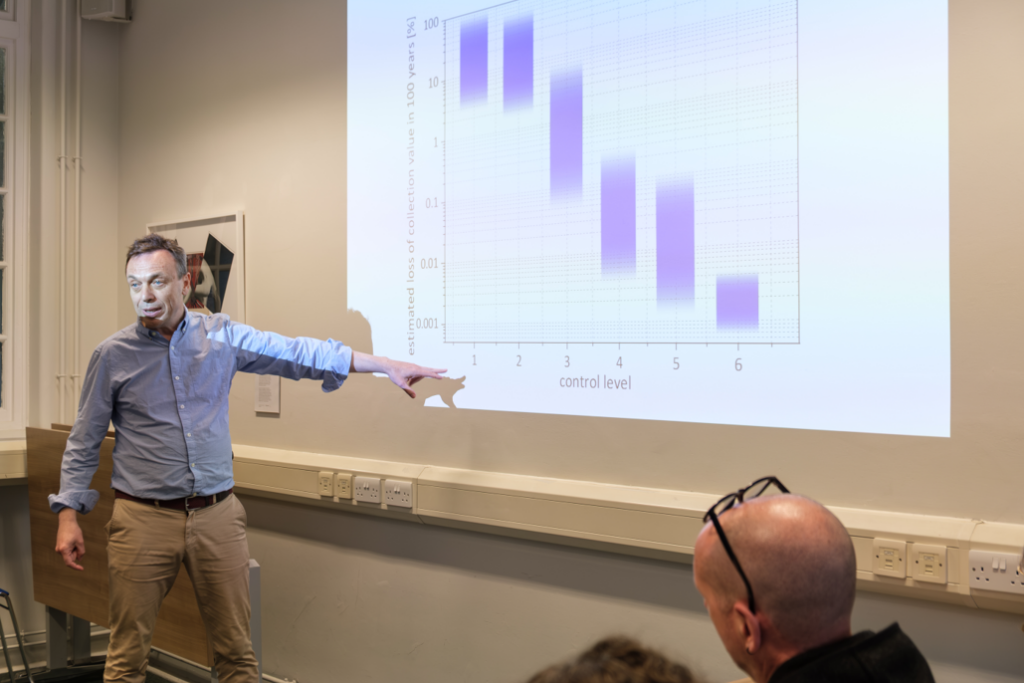
Figure 3: Lukasz Bratasz (IKIFP) demonstrating the “HERIe platform to support preventive conservation decisions”.
Paintings
The Paintings module, spearheaded by Claire Betelu (Sor), Beatrice Menegaldo (CRT) and Francesca Ramacciotti (UNIBO), highlighted how the development of greener conservation treatments can be integrated into teaching through collaborative, research-led learning. The speakers introduced the educational framework underpinning the module, explaining how it evolved through a co-creative process involving the initial Paris symposium, subsequent online workshops, focus groups and the testing of pilot teaching materials before being refined into the current educational resource.
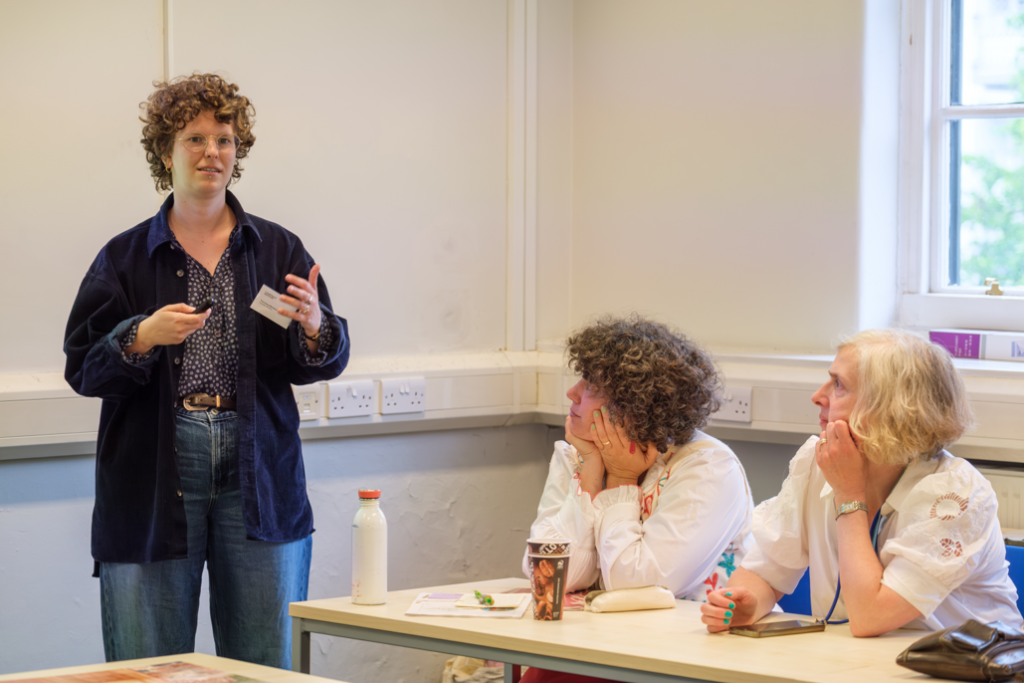
Figure 4: Francesca Ramacciotti (UNIBO) and Claire Betelu (Sor) presenting “Green Paintings Conservation in Theory and Practice”.
The session also encouraged participants to reflect on their own attitudes towards sustainable innovation through an interactive quiz. Participants identified time (44%) and financial constraints (37.5%) as the principal barriers to implementing more sustainable practices, rather than fear of change itself. When asked what would most encourage them to adopt greener materials, almost two-thirds (62%) selected peer-reviewed research, highlighting the importance of an evidence-based approach within the conservation profession. Encouragingly, a majority (57%) indicated that they would choose a more sustainable retention system even if it came at a significantly higher cost. Overall, participants viewed sustainability not simply as a technical challenge, but as a holistic framework that benefits from critical reflection, practical experience and a strong research foundation.
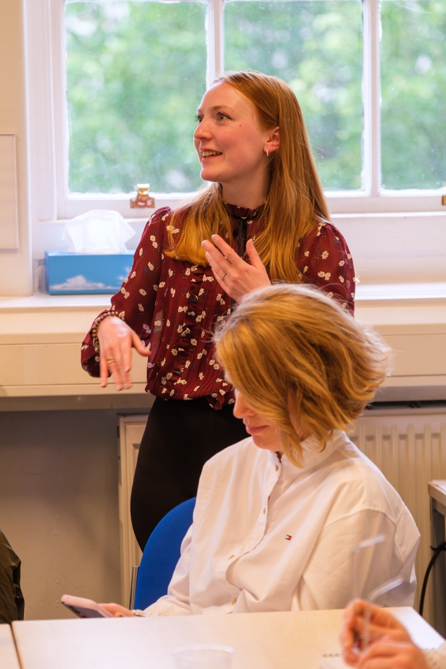
Figure 5: Beatrice Menegaldo (CRT) presenting the interactive quiz.
The discussion then turned to recent developments in greener cleaning systems based on innovative solvent-retention materials designed to reduce solvent use without compromising effectiveness. The combination of reflective activities and current research illustrated how technical innovation and critical thinking can be taught together within conservation education.
Objects
The final module, presented by Cathryn Harvey and David Thickett (EH), explored sustainable approaches to the conservation of objects through a series of practical case studies that encouraged participants to engage directly with current research questions.
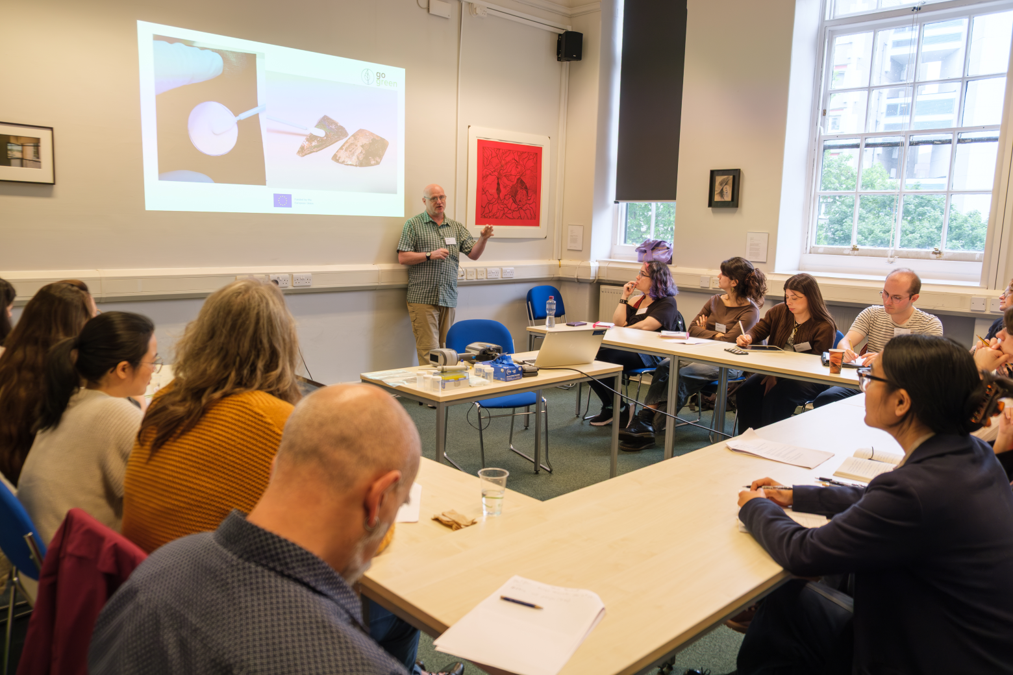
Figure 6: David Thickett (EH) presenting “Object analysis and treatment assessment for greener preventive and remedial practice”.
Discussion focused on the interpretation of environmental data for different materials within indoor collections. Discussions included the impact of historic cleaning treatments on ion analysis. Harvey and Thickett explained that knowing when an object was last cleaned greatly improves the interpretation of degradation processes, while acknowledging that earlier surface treatments may complicate analytical results depending on the materials applied.
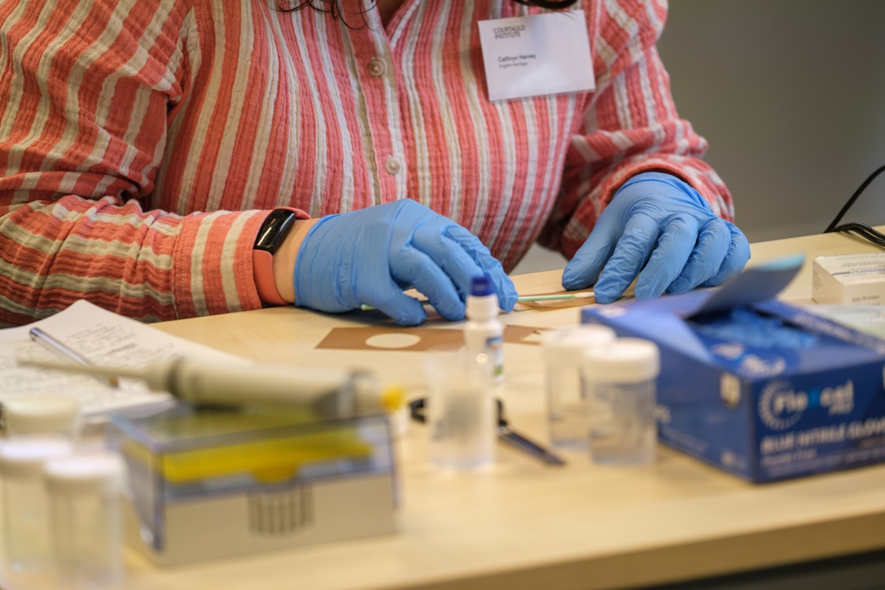
Figure 7: Cathryn Harvey (EH) demonstrating “Object analysis and treatment assessment for greener preventive and remedial practice”.
The session concluded with questions about research infrastructure, including the relationship between RICHeS and E-RIHS, illustrating how the module encourages participants not only to understand new scientific methodologies but also to become familiar with the wider research networks supporting sustainable conservation.
Conclusion
Across the four demonstrations, the emphasis was consistently on learning through participation, discussion and experimentation. The modules connect current research with practical teaching activities, while leaving room for educators to adapt them to their own students and settings. This flexibility is central to the wider aim of Work Package 7: to make green conservation education something that can be integrated into existing teaching and professional development rather than treated as a separate or fixed subject.
All images by Kate Green Photography, courtesy of The Courtauld Institute of Art, unless otherwise stated.