
WORK PACKAGE 1 - Project Coordination & Management
Current progress
Work package 1 is focused on the efficient management of the GoGreen project. In order to successfully manage the project consortium, WP1 has implemented the following:
- Successful governance and communication strategies. These strategies not only ensured the efficient communication within all work packages and the European Commission, they also ensured the effective management of the project.
- The minimization of environmental impact; the project has adopted specific strategies to reduce travel and its environmental footprint, like the online six-monthly Consortium Meetings, sample sharing and the clustering of meetings.
- Active collaboration across all levels, which includes all PhD students and PostDocs, who have fostered a productive and inclusive research environment.
- The Data Management of the whole project, WP1 ensured a safe online working environment where all partners can work collaboratively. The GoGreen Data Management Plan makes sure that the consortium is working according to the latest GDPR and privacy regulations. The Data Management Plan also aims to make the research data Findable, Accessible, Interoperable, and Reuseable (FAIR).
- The risk management and quality control throughout the project, which includes the monitoring the quality and timely delivery of reports and deliverables and maintaining internal quality assurance and risk management procedures.
- Making sure that possible legal and ethical issues are appropriately dealt with.
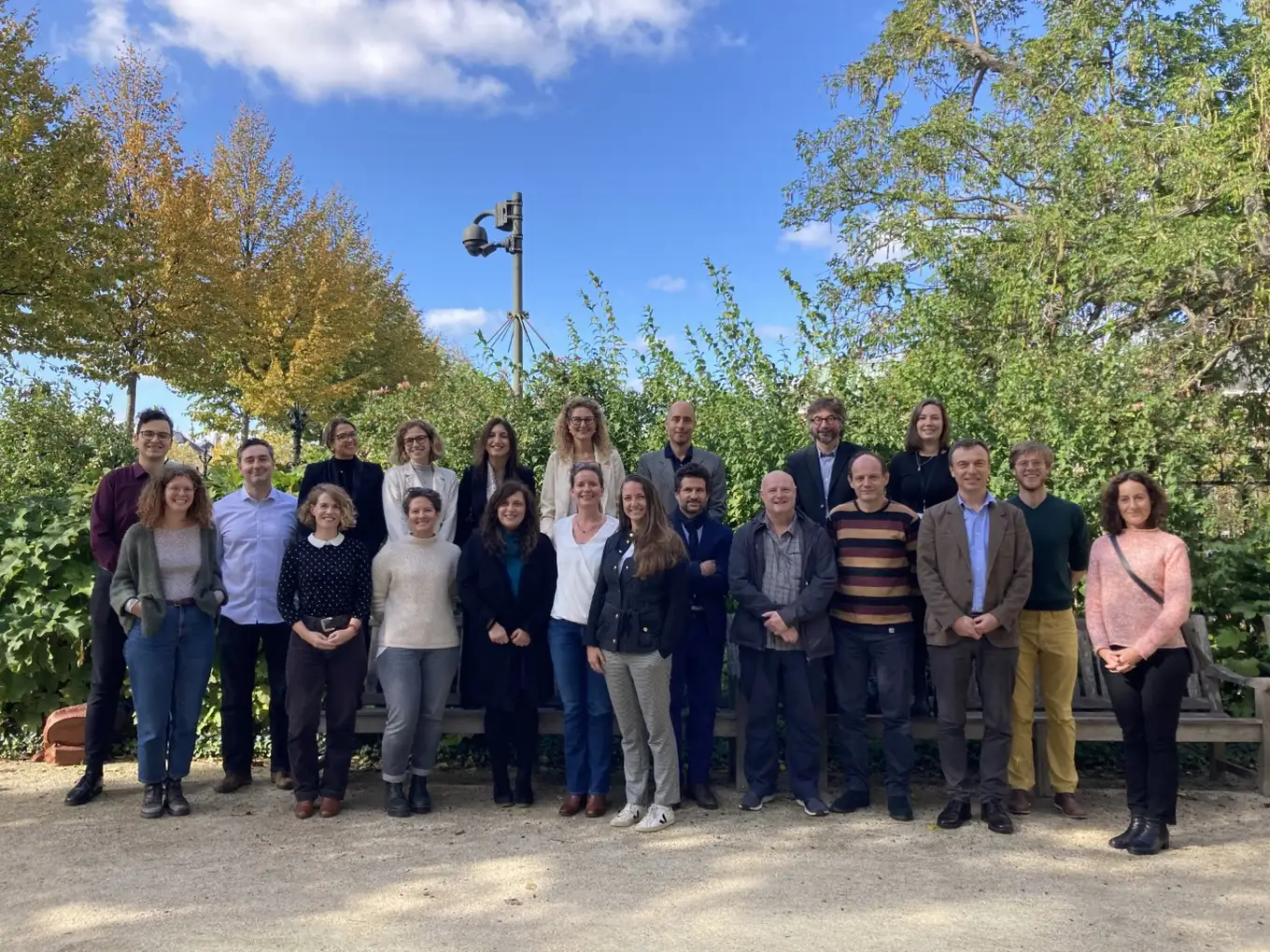
Figure 1. The GoGreen consortium at the Kick-off meeting in Amsterdam, 5-7 October 2022.
The establishment of the International Advisory Board (IAB) was also one of the activities that WP1 carried out. The IAB consists of five experts in green and sustainable activities, to maximize the project's impact. The IAB members are:
- Ms. Maggi Loubser, Senior Lecturer and Coordinator, Tangible Heritage Conservation Programme (South Africa);
- Em. Prof. Norman H. Tennent, Visiting Conservation Scientist, University of Texas, Dallas, Emeritus Professor, Conservation Science, University of Amsterdam;
- Dr. Jitte Flapper, R&D Manager, Expertise Center Advanced Technologies, AkzoNobel Paints & Coatings;
- Dr. Matthew Eckelman, Associate Professor, Department of Civil & Environmental Engineering, Northeastern University, Adjust Associate Professor, Yale School of Public Health Associate Editor, Environmental Science & Technology;
- Dr. Bart Ankersmit, Senior Researcher, Cultural Heritage Laboratory, Cultural Heritage Agency of the Netherlands.
With the established management infrastructure, WP1 will continue ensuring the efficient coordination and integration of all work packages within the project. Besides the efficient management and coordination of the project, WP1 continues to maintain proactive handling of any risks and contingencies that might arise. The same applies for any legal and ethical issues, WP1 will continue to ensure that these are appropriately dealt with.
WORK PACKAGE 2 - Greener Preventive Conservation
Current progress
This work package focuses on helping conservators decide whether air conditioning is needed for the collections they are responsible for. There are four main strands;
Understanding the needs of objects made from some of the materials studies in the project; glass, iron, paintings, stone, wood and leather.
- For chemical degradation, small pieces of glass and steel are being exposed to environments in twelve heritage institutions. The atmosphere at each location is being measured for relative humidity, pollutant gasses, particles, and temperature. The degradation of the pieces will be analysed with a variety of scientific equipment after three years.

Figure 2. Pieces of glass being exposed.

Figure 3. Royal Castle Wawel St. Sebastian wooden statue with acoustic emission sensor.
- Within types of objects, individual objects can react much more quickly or slowly. If these can be identified, then those objects can be protected in climatised enclosures. Different scientific analyses are being investigated to see if they can provide this information.

Figure 4. Near infra-red spectroscopy of glass.
- GoGreen DMM: A collaborative model for holistic green thinking and communication has been developed using co-design approaches with interventive and preventive conservation practitioners from around Europe. It was iteratively developed and field tested in collaboration with practitioners. Drawing on analysis of conservation practitioner needs, and successful models in other fields, the model will be applicable to a wide range of conservation activities and contexts. The model includes an interactive guide, worksheets for different model components, three case studies, and a library of resources.
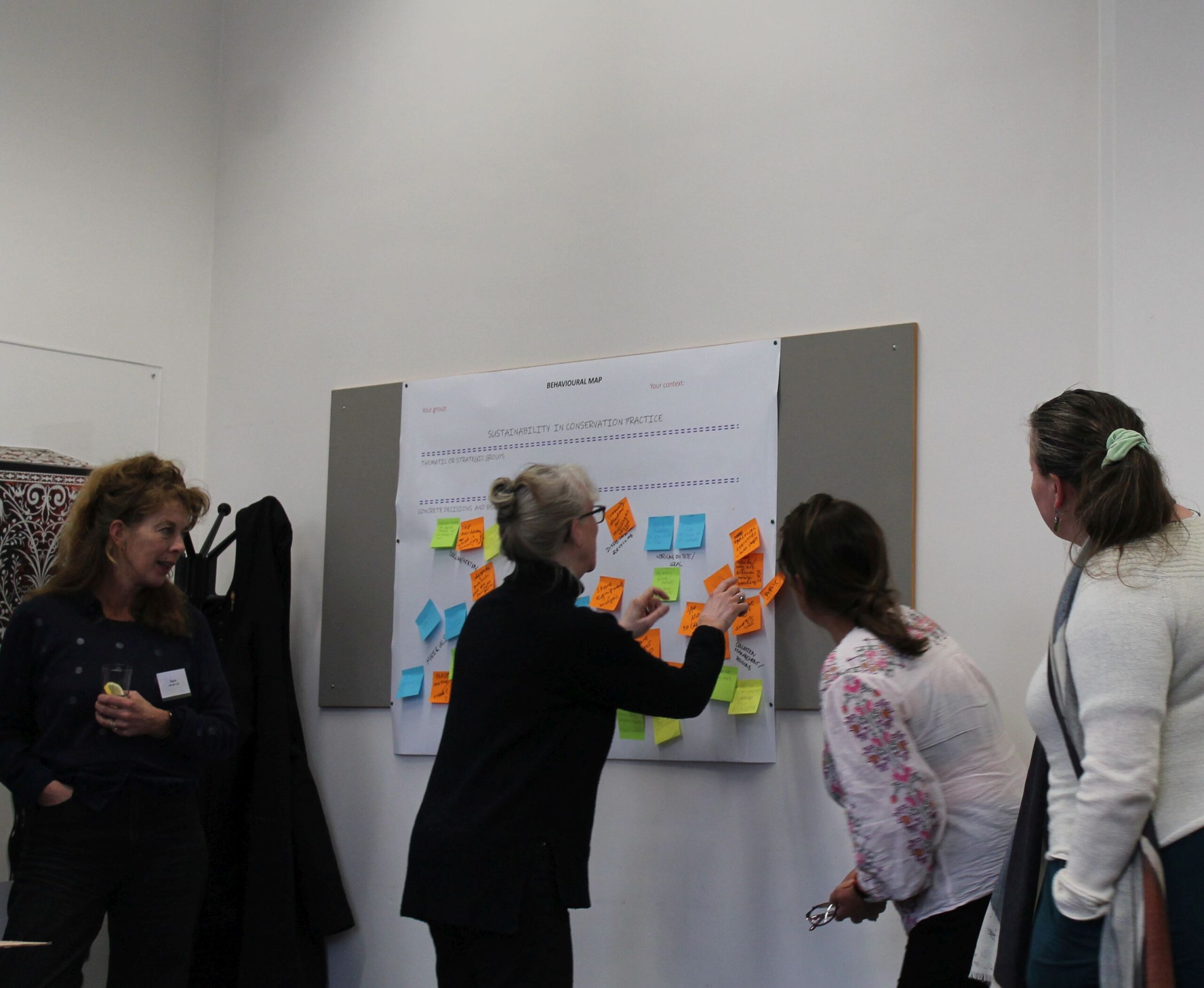
Figure 5. A workshop meeting with conservation practitioners to better understand how green conservation can be better integrated into preventive and interventive practices. The workshop was part of a co-design approach to developing a model that connects green conservation with different kinds of conservation activities.
WORK PACKAGE 3 - Greener Cleaning Methods
Current progress
The development of innovative green materials for metal and paintings cleaning: A comprehensive bibliographic study has been conducted on historical recipes and innovative green methods for cleaning paintings and metal objects. Building on this, new materials are being developed and continuously refined through an iterative process: they are produced, tested, and adjusted based on results on mock-ups and real objects. Moreover, their effectiveness is compared against benchmarks which has been defined involving the conservation community through surveys and workshops.

Figure 6. The process of developing new green solutions for metal and painting cleaning.
A new type of retentive systems for delivering the solvent/cleaning agent onto the surfaces to be treated has been developed and tested. These systems are based on nonwoven fabrics with micro/nano porosity, which allows them to retain the solvent and simultaneously remove the undesired layer through capillary action of the swollen/solubilized coating. As the characterization of these materials and their mechanism of action continues, more sustainable and functionalized versions are being explored. In parallel, in collaboration with SAATI SPA, efforts are underway to optimize industrial production.
All the details can be found in our latest publication: F. Ramacciotti et al., ‘Microporous electrospun nonwovens combined with green solvents for the selective peel-off of thin coatings from painting surfaces’, Journal of Colloid and Interface Science, vol. 663, pp. 869–879, 2024, doi: 10.1016/j.jcis.2024.03.006.

Figure 7. Scheme of the new materials produced. The nonwoven mat is coupled with greener solvents and applied on the surface to treat. After a few minutes, thanks to the capillary rise, without further treatments, the area is clean, restoring its original colour.
We are collecting and studying historical cleaning methods from various historical sources as a means of finding inspiration for greener alternatives to current conservation methods. These recipes were developed in a low-tech environment, making use of natural, bio-based materials, before highly refined chemical products dominated the material choices in modern conservation. Many of these materials are discontinued and not well-known today due to various historical factors. We hope that by improving understanding of these factors and the properties of historical materials through reconstruction experiments, we can reopen paths closed in the past and re-introduce some material choices as greener alternatives for modern use. The historical recipes also provide us with insights into a dynamic perception of cleanliness in the history, which can be different from modern expectations in a museum setting. Reflections on this changing perception of cleanliness may by itself be a step towards more sustainable practices to avoid unnecessary cleaning or over-cleaning of heritage objects.
All the details can be found in our latest publication: Zhou, H., M. Stols-Witlox, and L. Bertrand. “Be Clean, Be Green: Perception of ‘Cleanliness’ in the History and Reflection on the Cleaning Treatments of Silver in Modern Conservation Practice”. History, Culture, and Heritage, AHM Conference 2024: ‘Heritage, memory and Material Culture’, Vol 3 (2024): 61-68. DOI: https://doi.org/10.5117/9789048567638/AHM.2024.011.
The development of innovative green protocols for metal cleaning has focused on substrates of silver, copper, iron and their alloys. Combining a natural surfactant, saponin, and a deep eutectic solvent, aquoline, a new cleaning material named 'sapoline' for the removal of corrosin from copper, brass and steel was developed [1]. Regarding silver cleaning, two greener aging protocols were designed to propose highly reliable and reproducible silver mock-up systems [2,3,4]. Using the silver mock-up systems developed, amino acid-based cleaning protocols are also studies. Preliminary cleaning tests applied on various types of silver objects such as silver-plating, sterling silver and gilded silver showed promising results. Ongoing developments include the application of electrospun mats for metal cleaning.
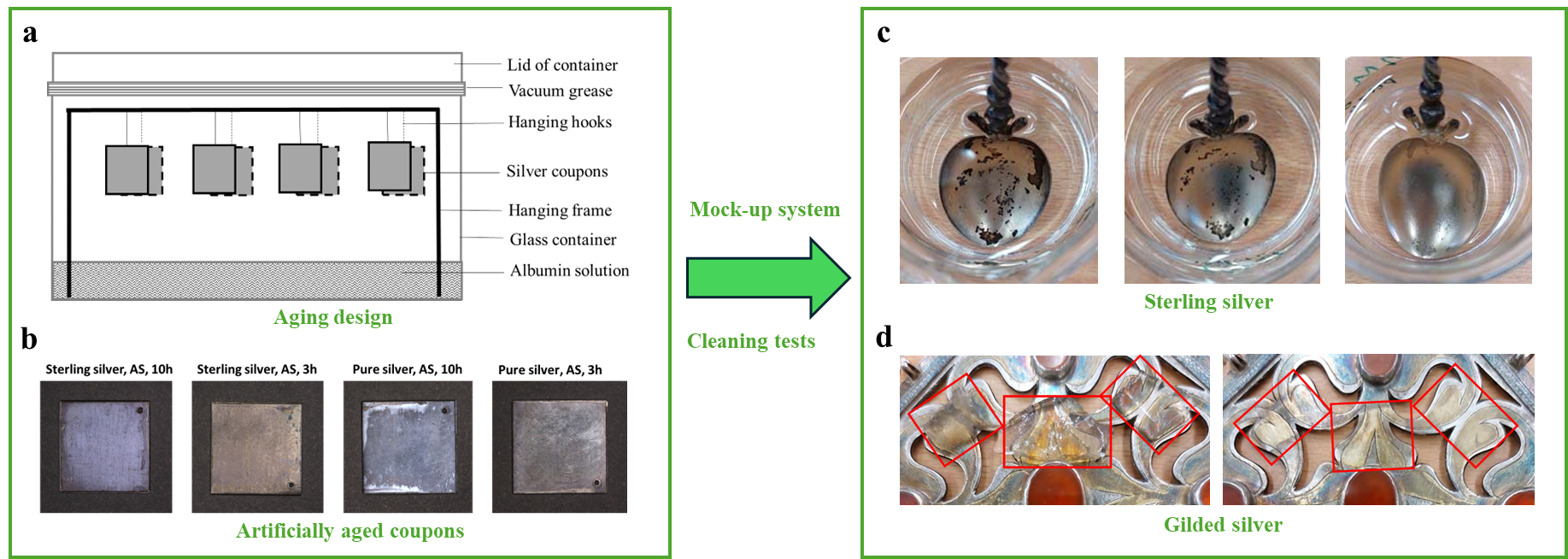
Figure 8. (a) Schematic illustration of the aging chamber using albumin solution (AS) as a green aging reagent [4]; (b) RTI images of AS-aged sterling silver and pure silver coupons with different exposure times; (c) cleaning process of a sacrificial sterling silver spoon treated with our amino acid solution protocol; (d) a naturally tarnished gilded silver object (necklace) cleaned with various amino acid-gel protocols.
1. Wu, Q. and E. Joseph. "The application of an innovative green material 'sapoline' for the cleaning of historical metal objects". ICOMCC-Metal2025, in press.
2. Wu, Q., H. Zhou, L. Bertrand, M. Stols-Witlox, L. Brambilla and E. Joseph. "Natural and Artificial Aging Methods For Silver Mock-ups In Recent Conservation And Heritage Studies: A Short Review". Chemistry-Methods (2025) e202400055. https://doi.org/10.1002/cmtd.202400055.
3. Wu, Q., K. Gubanov, H. Zhou, I. Marozau, A. Passaretti, J. Gonzalez Frutos, C. Degrigny, L. Bertrand, M. Stols-Witlox, L. Brambilla, and E. Joseph. "Characterisation of assessment of two green aging methods for silver mock-up systems using multi- analytical techniques". The European Physical Journal Plus, in press.
4. Wu, Q., H. Zhou, J. Gonzalez Frutos, C. Digrigny, L. Bertrand, M. Stols-Witlox, L. Brambilla and E. Joseph. "Development of green aging methods for silver". InArt2024 - Volume "Innovation in Art Conservation Research" (Springer), in review.
WORK PACKAGE 4 - Greener Stabilisation Technologies
Current progress
Work package 4 aims to propose green solutions for the stabilisation (including consolidation) of heritage objects from metal and glass substrates, as alternative to the traditional environmentally unfriendly methods.
In WP4, we are developing an innovative glass stabilisation treatment using mesoporous silica nanoparticles (MSNs) functionalised with an amine group (Figure 9) to reduce moisture interaction with the glass surface. This approach aims to mitigate the deterioration of historical glass objects by preventing salt formation, a common degradation issues. Initial deposition of functionalised MSNs via spray has demonstrated promising results, significantly decreasing salt crystallisation on artificially aged glass mock-ups. These findings suggest that the treatment effectively enhances the stability of glass surfaces under humid conditions, making it a potential breakthrough in glass conservation.

Figure 9. Functionalised mesoporous silica nanoparticles in different solutions.
The development of greener protocols for the stabilisation of archaeological iron has focused on microbiologically derived approaches. In WP4, a novel methods has been explored using the dead biomass of Meyerozyma sp., an extremophilic yeast, to both remove chloride ions and promote the transformation of reactive iron corrosion products into more stable phases. Preliminary studies have demonstrated the potential of Meyerozyma sp. biomass to biosorb harmful ions into the yeast cell wall and facilitate the conversion of akaganéite and other unstable corrosion products into magnetite or goethite [1]. This biologically based treatment offers a non-toxic and environmentally friendly alternative to conventional stabilisation techniques. Current research is focused on evaluation the effects of pH, corrosion morphology, and exposure duration on treatment efficacy. In parallel, efforts are underway to optimise the application system to ensure uniform and consistent results.
Petrasz, P., Zhioua, S., James, S., Bindschedler, S., Junier, P., & Joseph, E. (2024). Green alternatives for archaeological iron stabilization. Studies in Conservation, 69(sup1), 270-280. https://doi.org/10.1080/00393630.2024.2336880
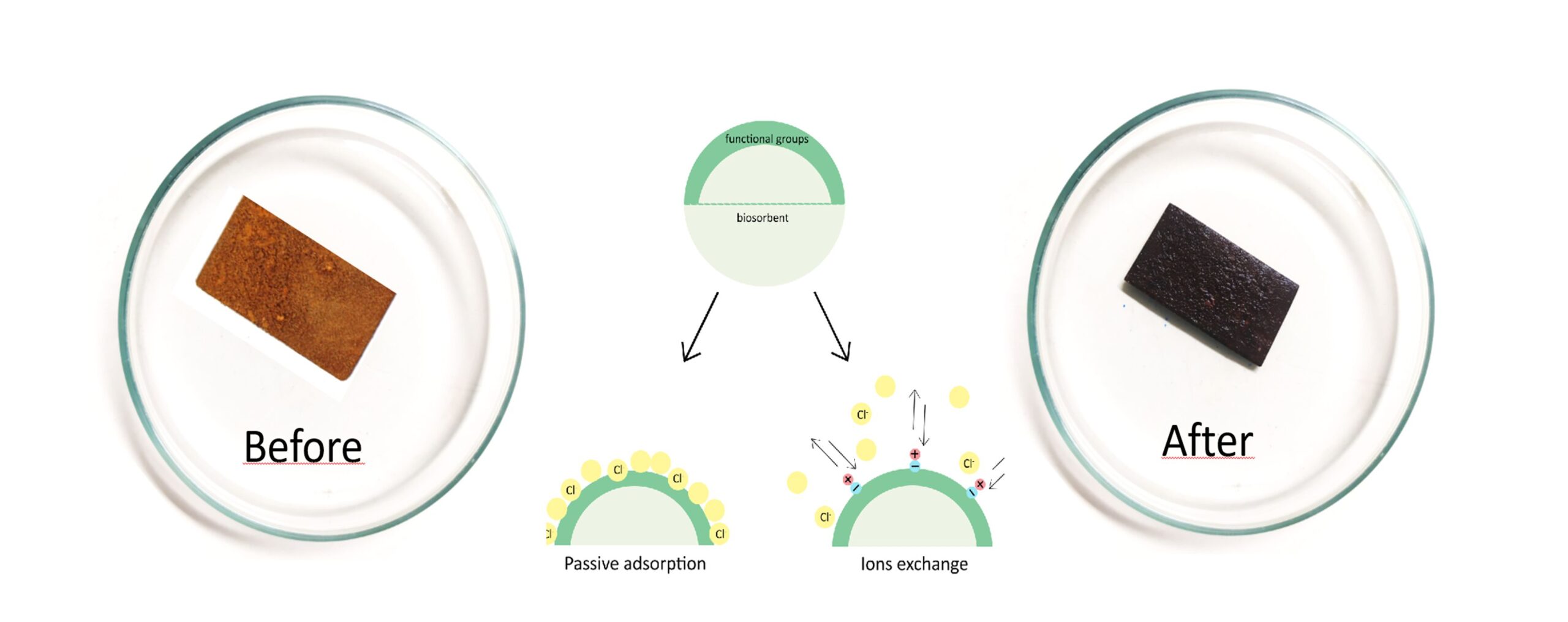
Figure 10.
WORK PACKAGE 5 - Methodologies for Greener Solutions
Current progress
This work package focuses on four main actions, and it was initiated with a network-wide survey of available methods and their practical implementation for the purpose of the project, favoring cross-consortium exchanges on methods.
An AI-based tool was developed to identify and quantify cracks in historical glass caused by crizzling phenomena. The tool was optimized using artificially aged glass samples and progressively refined for almost totally efficient detection.
2D scanning imaging techniques are being developed to support various objectives of the GoGreen consortium. Notably, protocols coupling photoluminescence with FT-IR imaging, as well as hyperspectral imaging, is developed to assess cleaning and varnish removal methods developed in work package 3.
Novel 3D imaging approaches are being explored to evaluate cleaning and consolidation processes. These include the integration of X-ray Raman spectroscopy with digital techniques to generate 3D chemical images of sensitive cultural heritage samples, as well as semi-quantitative X-ray nano- and micro-tomography to assess the stabilization effects of bio-based treatments on metal artifacts.
Finally, efforts are made to develop several user-friendly methods such as laser speckle and reflectance transformation imaging for conservation studios, ensuring practical application in professional environments.
WORK PACKAGE 6 - Web App Prototyping
Current progress
The GoGreen Digital Support Application (DSA) is a web-based tool developed to support conservators in making more informed and sustainable choices when selecting conservation materials and defining treatment strategies. Developed through an iterative co-design process with conservation professionals, the DSA brings together environmental, safety and conservation-related information enabling a comparison between different options.
Two Comparison Calculators allow users to compare either individual materials or complete treatment scenarios. The Material Comparison combines environmental information based on LCA data provided through collaboration with FAIC's STiCH project and derived from Ecoinvent, with hazard information based on the Globally Harmonized System of Classification and Labelling of Chemicals (GHS). The Treatment Comparison extends this assessment by considering how materials are actually used, including factors such as quantities, equipment, energy source, treatment duration and application cycles.
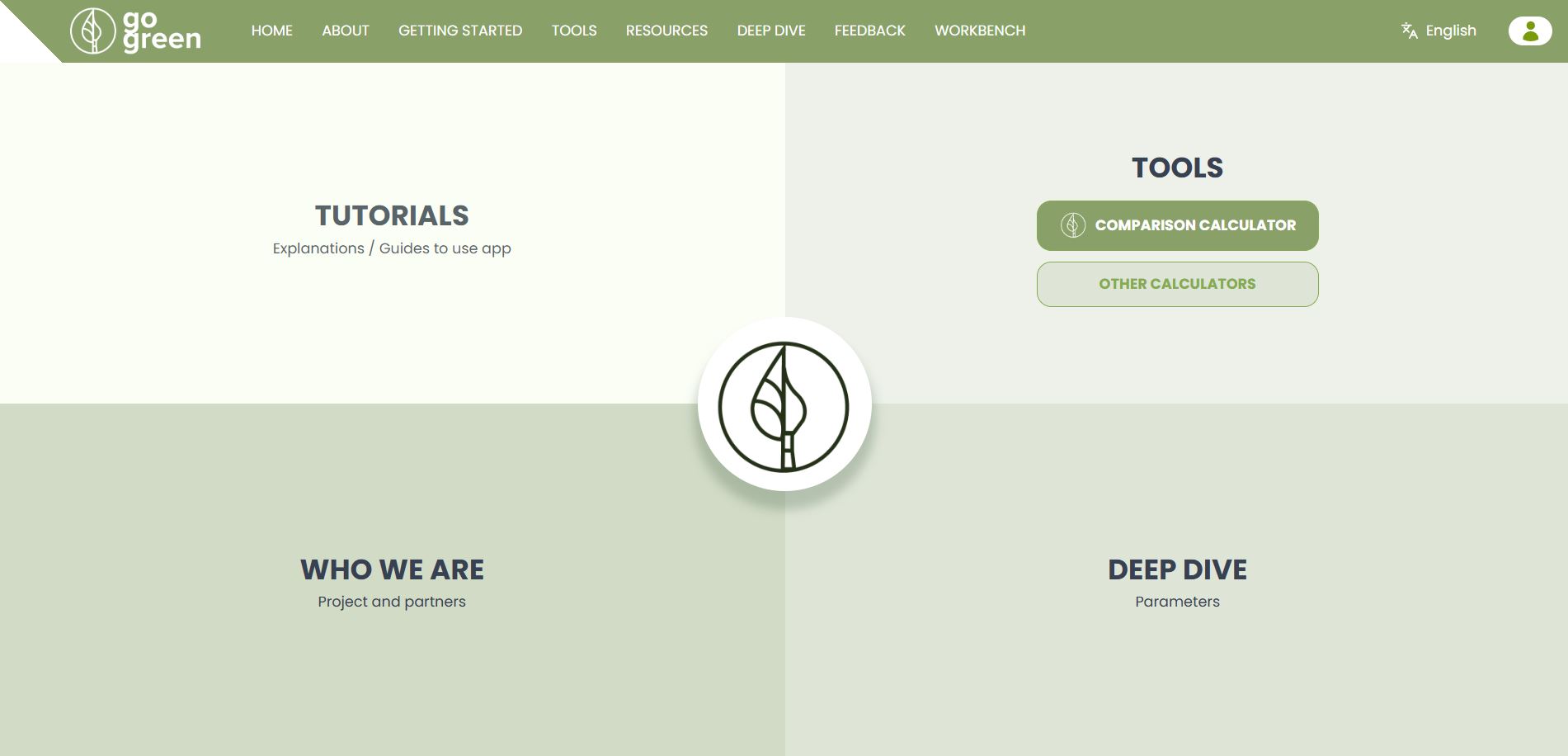
Figure 11. GoGreen-DSA layout with links to the four pages in the Interventive section.
Materials and treatments are assessed through the 14 Green Parameters developed within GoGreen, covering four main areas:
- Hazard impacts on human health and the environment
- Impacts on climate change
- Impacts on resource consumption
- Professional considerations related to conservation practice
The DSA translates these heterogeneous inputs into clear and comparable assessments, while preserving access to the underlying evidence. Rather than providing a single overall score or prescribing a “best” solution, it highlights differences and trade-offs between alternatives, leaving the final decision to the conservator according to local requirements and treatment contexts.
The application also provides user tutorials and a Deep Dive section presenting further knowledge on green conservation, including the innovative solutions developed within GoGreen. Its development was supported by international user testing and feedback surveys, whose results were used to refine the interface, comparison workflows and overall user experience.
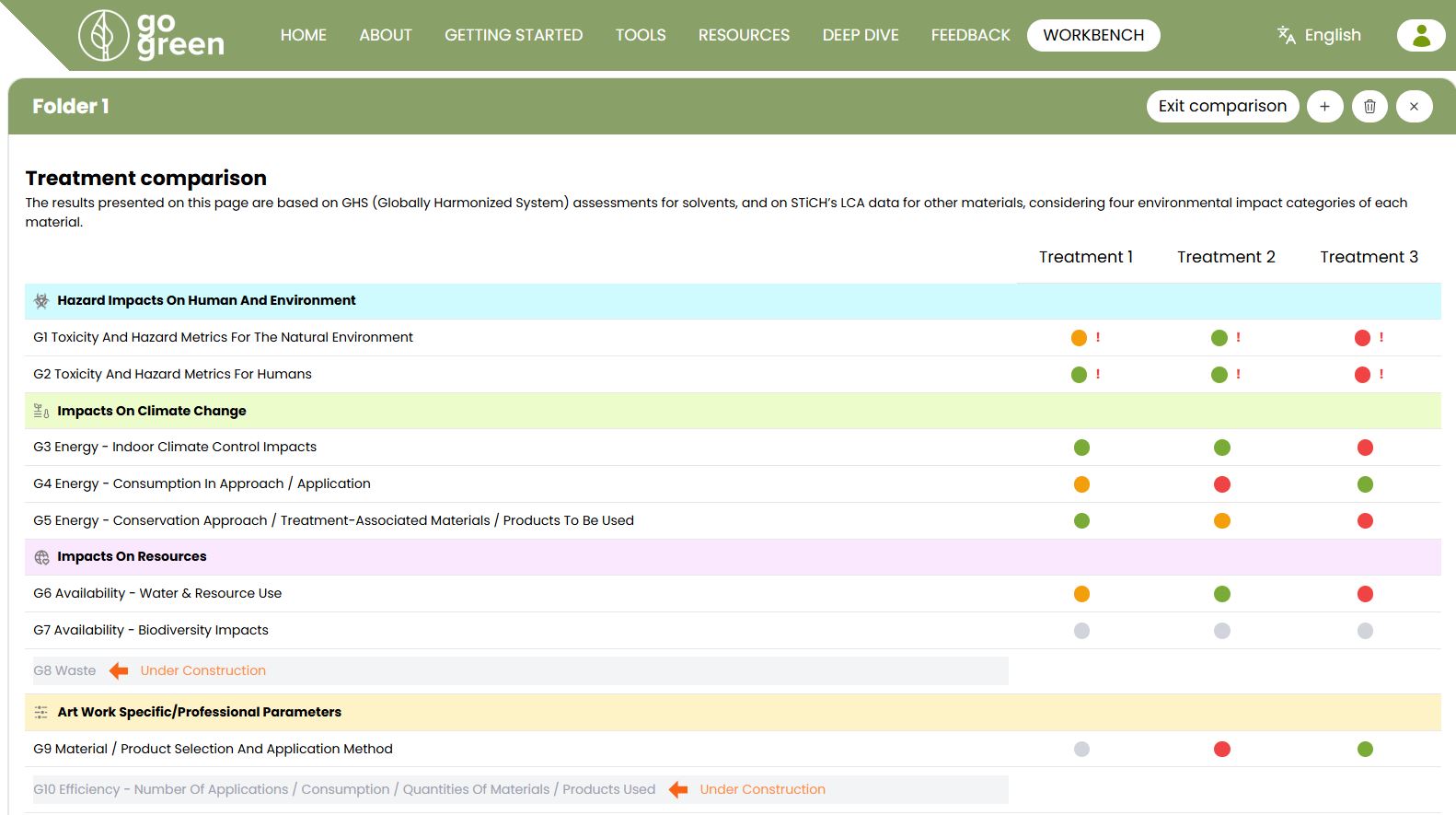
Figure 12. Comparison Calculator section of GoGreen-DSA: example of a comparison between three treatments based on the green parameters.
WORK PACKAGE 7 - Green Education
Current progress
Work package 7 focuses on Green Education and is led by the Courtauld Institute of Art. Work package 7 aims to empower conservation professionals to become leaders in sustainable heritage preservation. Through targeted education and training, this work package support both practicing and emerging conservators in integrating greener practices into their work. The research outputs of GoGreen will be translated into four flexible educational modules:

Figure 13. The four Educational Modules that will be produced through GoGreen.
These modules are being developed using a skeletal framework to ensure adaptability across different academic and professional contexts. Work package 7 is structured around two key deliverables:
7.1: Preparation of Didactic Materials
(Module templates, bibliographies, and learning resources)
To initiate module development, a symposium was held in Paris focused on innovative approaches to teaching sustainability in conservation. This event brought together conservation educators, heritage scientists, early-career researchers, and practitioners for interdisciplinary dialogue, resulting in initital outlines for the four modules.

Figure 14. The GoGreen Symposium in Paris. Read more about the Paris Symposium here.
The draft modules from the symposium are now undergoing review by a dedicated focus group within the GoGreen consortium.
7.2: GoGreen Academy
As part of this deliverable, work package 7 will organise workshops for both practitioners and educators, utilising the educational modules developed in 7.1. The outputs of WP7 will be published in an open-access platform for future use.
Webinar WP7 on Green Education
The WP7 webinar was held on the 24th of April 2025 and the recording is available now! During this session, we dive into how collaboration has helped shape innovative course modules focused on green education in conservation. The webinar highlights the key outputs of work package 7 and how they will contribute to a more sustainable conservation curriculum. Lean how you can get involved in helping shape these courses to help inspire the next generation of green leaders in conservation. The full WP7 webinar can be watched on the GoGreen YouTube channel.
It is also possible to download the PowerPoint presentation given during the webinar. Click here to download the PDF file.
To stay updated on the GoGreen Academy and future module developments, be sure to subscribe to the GoGreen newsletter!
WORK PACKAGE 8 - Communication, Dissemination & Exploitation
Current progress
All too often progress within conservation is slowed down because amazing research and developments stay in labs and academic publications. So how can we ensure that all of the amazing green solutions from GoGreen get to you - our global conservation community? Through effective communication, dissemination and exploitation!
WP8 is committed to ensuring that conservators everywhere will benefit from the amazing work being done in the project. We have developed a comprehensive communications strategy to ensure that you are informed and up to date on the work we are doing - and have access to it so you can use it in your conservation work!
Through our series of GoGreen webinars, conference appearances, publications, social media, newsletters and our website, we aim to inform and inspire. Make sure to follow along to get the latest from GoGreen!
Policy & Advocacy
GoGreen is facilitating the creation of a definition of "green" for the conservation field. By aligning on what green means, we can then ensure that we are all working toward the same goals in the same way - avoiding greenwashing and making a real difference! For information about the process of defining green and the current status, check out the Defining Green Conservation section of the website.
Defining Green
Through the GoGreen project, we want to ensure that not only is all of the information available, but that it has an impact. This is why GoGreen will be advocating with national and international membership organizations and global conservation leaders to promote green conservation and the implementation of standards and practices which support green practices. The GoGreen team will work across the sector and with relevant stakeholders. Stay tuned for endorsements and partnership announcements!
KEY EXPLOITABLE RESULTS (KERs)
What is a KER?
A Key Exploitable Result (KER) is a practical outcome of a project that people or organisations can use to create benefits or make a difference e.g. a new tool, method, guide, dataset, training resource, service, prototype, or recommendation for policy and practice.
The following 12 KERs showcase the exciting outcomes and innovations emerging from the GoGreen project, a four-year-long Horizon Europe-funded project led by the University of Amsterdam (2022-2026).
GoGreen develops and promotes preventive and remedial conservation practices based on green principles to spearhead the green revolution within conservation in alignment with the Green Deal. Every highlight is the product of the joint effort of all partners in the GoGreen consortium.
You can find details about each individual KER in the corresponding work package section. Or view an overview here.
If you would like to read more about all the research conducted throughout the project that is not linked to a KER, please check the full GoGreen bibliography grouped by work package.
Green Conservation Definition & Parameters
Silver tarnish cleaning protocol using L-cysteine
Beauveria bassiana-amended funori for copper corrosion stabilisation
Decision Making Model (DMM)
Non-woven cleaning methodology
Digital Support Application (DSA)
Patent for the production of mesoporous silica nanoparticles
GoGreen Academy
HERIe platform
Damage functions
Historical cleaning
Software to improve the output of spectral imaging while minimising irradiation
KER1
Green Conservation Definition &
14 Green Parameters
The Green Conservation Definition and Parameters were developed during the project. They promote a sustainable approach to preserving cultural heritage by balancing the reduction of climate, health, and environmental hazards with the protection of tangible history through 14 evidence-based parameters that guide professionals in evaluating the impacts of their daily conservation choices.
Preserving our cultural heritage maintains vital connections to our shared past and benefits our well-being, a goal that is naturally aligned with the principles of sustainability. However, the materials and methods used in conservation can sometimes unintentionally harm the environment and human health. Given the complexity of conservation work, how can professionals evaluate these impacts and make the most sustainable choices?
To create a shared understanding within the field, the GoGreen project developed the Green Conservation Definition and Parameters, a non-commercial Key Exploitable Result (KER) built through a collaborative, profession-wide process of research and feedback.
At its core, the definition and parameters formulate green conservation as a sustainable approach that carefully balances decisions to reduce climate, health, and environmental hazards, all while ensuring that our tangible history remains safely protected.
To turn this definition into real-world action, we introduce 14 green conservation parameters. These parameters transform vague intentions into rigorous, evidence-based decisions, acting as a comprehensive checklist to help professionals evaluate the true impact of their daily choices across four main areas:
· Human Health and Natural Environment: Reducing toxic and hazardous materials to protect both nature and the people working with the objects.
· Climate Change: Lowering energy consumption and carbon footprints, such as the power required to run museum climate control systems or to use specific conservation tools.
· Resources: Minimizing waste, conserving water, and ensuring that the sourcing of materials does not harm biodiversity.
· Cultural Heritage: Ensuring that the chosen approaches align with professional ethics and standards, and are accessible, highly effective, long-lasting, and safe for the artworks and cultural heritage objects.
By providing a shared language and clear guidelines, this GoGreen KER empowers cultural heritage professionals globally to integrate green conservation into their everyday work, protecting both our cultural and natural environments for current and future generations.
The Green Conservation Definition and Parameters will have a major impact in supporting and promoting green conservation, clarifying its meaning, reducing harmful environmental and human health impacts, and building awareness. They will provide the foundation for developing industry standards worldwide, widespread adoption through the GoGreen Digital Support App (DSA), and integration within educational programs.
Contact: Katrien Keune, University of Amsterdam (UvA), K.Keune@uva.nl
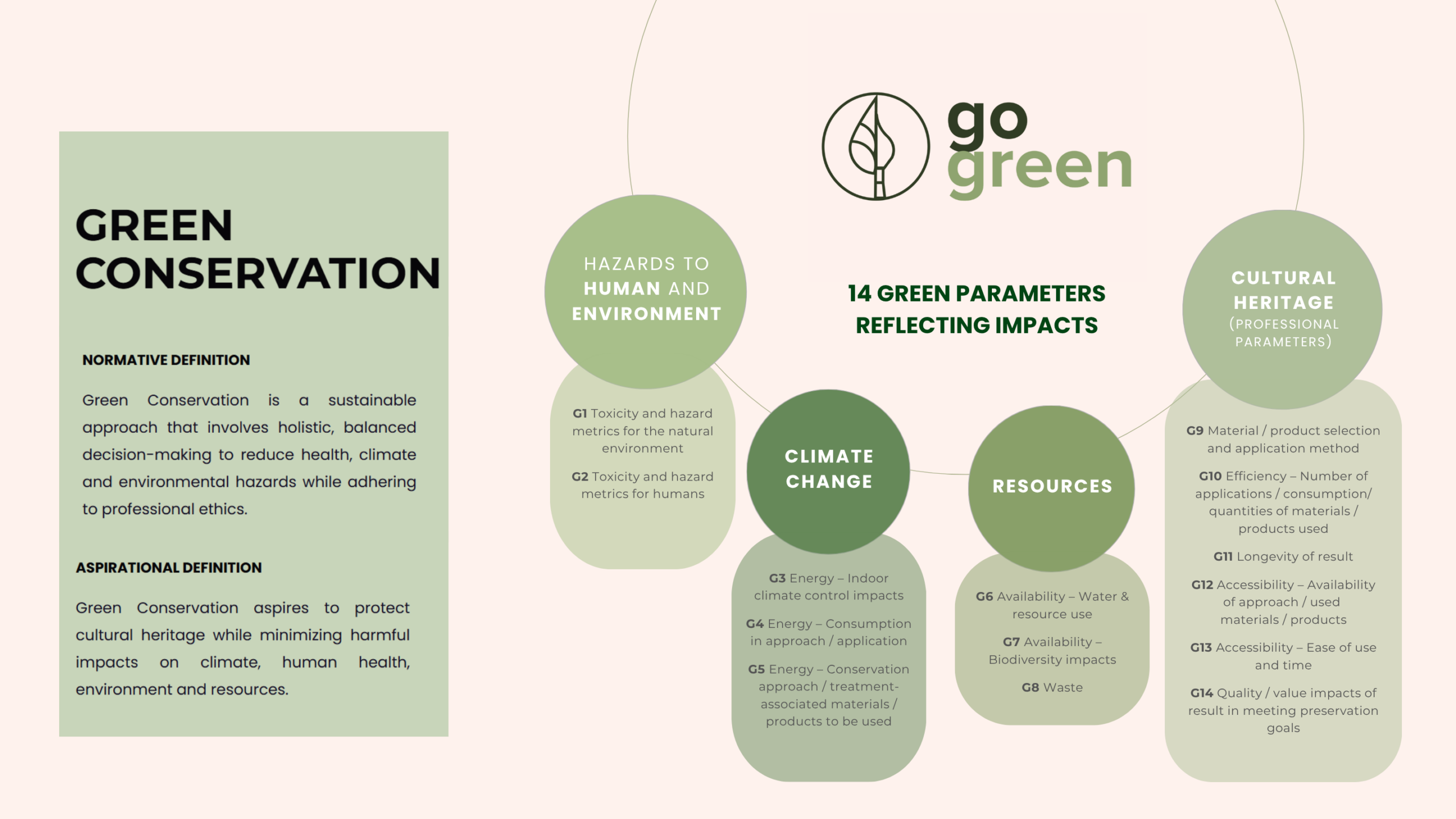
Figure 15. The green conservation definition (left) and the 14 green parameters (right) in 4 impact categories.
For more information regarding the process of how the definition and parameters were created, a detailed description of the parameters or how to implement them, please check the below links or list of publications and webinars further below:
- Green Conservation Definition and 14 Parameters
- Using the Green Parameters
- Green Parameters in further detail
KER2
Silver tarnish cleaning protocol using L-cysteine
An innovative cleaning protocol using L-cysteine was developed, which resolves some limitations of traditional cleaning methods for silver. This biodegradable amino acid effectively binds silver ions for tarnish removal under controlled conditions, thereby promoting safer, environmentally friendly alternatives in conservation practices while supporting the safeguarding of cultural heritage and indicating potential applications for other metal substrates.
Silver has been valued for thousands of years for its beauty and brilliance. However, when exposed to air, it gradually develops a dark tarnish layer through reactions with sulphur-containing compounds and other atmospheric pollutants. Conservators have long sought ways to remove this tarnish while preserving the original metal beneath.
A range of cleaning methods have been developed for silver, including abrasive polishing, chemical silver dips, and electrochemical treatments. Although effective, these methods often also have important drawbacks. As museums and conservation professionals increasingly embrace sustainable practices, there is a growing need for safer and more environmentally friendly alternatives.
Through systematic laboratory research, we optimised the cleaning parameters and investigated how L-cysteine interacts with both pure and sterling silver. The protocols were successfully applied not only to laboratory samples but also to naturally tarnished silver objects. In collaboration with leading museums and heritage institutions, including the Rijksmuseum (Amsterdam) and the C2RMF (Center for Research and Restoration of the Museums of France, Paris), the method has been successfully applied to collection objects, demonstrating its practical potential for cultural heritage conservation.
This research represents an important step towards more sustainable conservation practice. By replacing hazardous chemicals with a bio-based alternative, the developed protocols help protect both cultural heritage, operators and the environment while supporting the transition to greener conservation methods. Initial observations also suggest that L-cysteine may have potential for cleaning other metal substrates, opening exciting opportunities for future research.
Potential impact:
- Enables safer and environmentally responsible conservation of historical silver alloys by reducing reliance on hazardous substances and improving workplace safety for conservators.
- Supports the long-term preservation of cultural heritage, ensuring that silver-based artefacts and collections remain accessible for citizens, education, and research.
- Facilitates wider uptake of sustainable cleaning and restoration practices across the conservation sector through replicable protocols and guidance, supporting systemic change beyond individual case studies.
- Contributes to the European Green Deal objectives by advancing sustainable methods for conserving, preserving, and restoring monuments and artefacts, reducing the environmental footprint of heritage interventions while maintaining high conservation standards.
Contact: Edith Joseph, Haute Ecole Arc Conservation-restauration (HE-Arc CR), HES-SO, edith.joseph@he-arc.ch
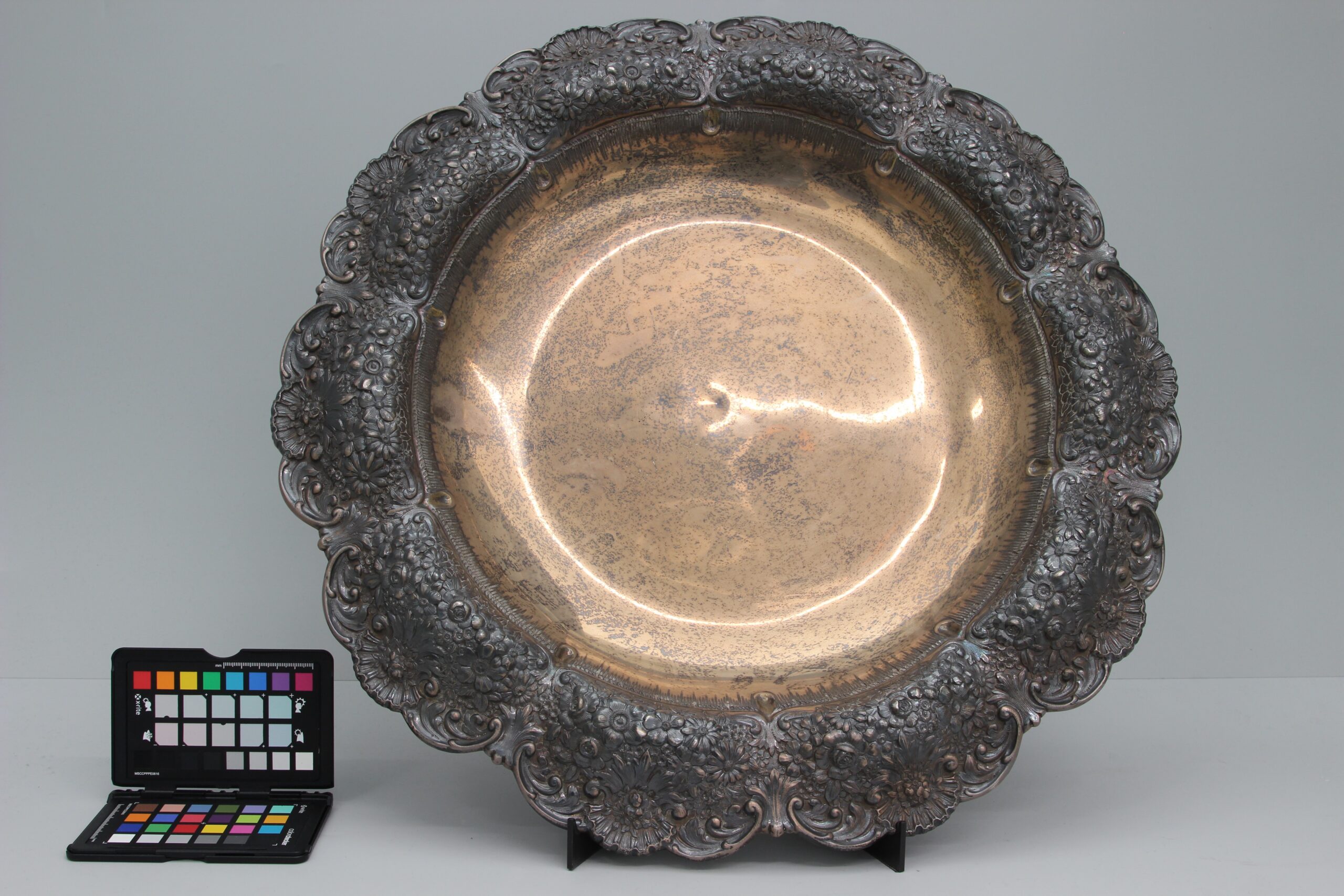
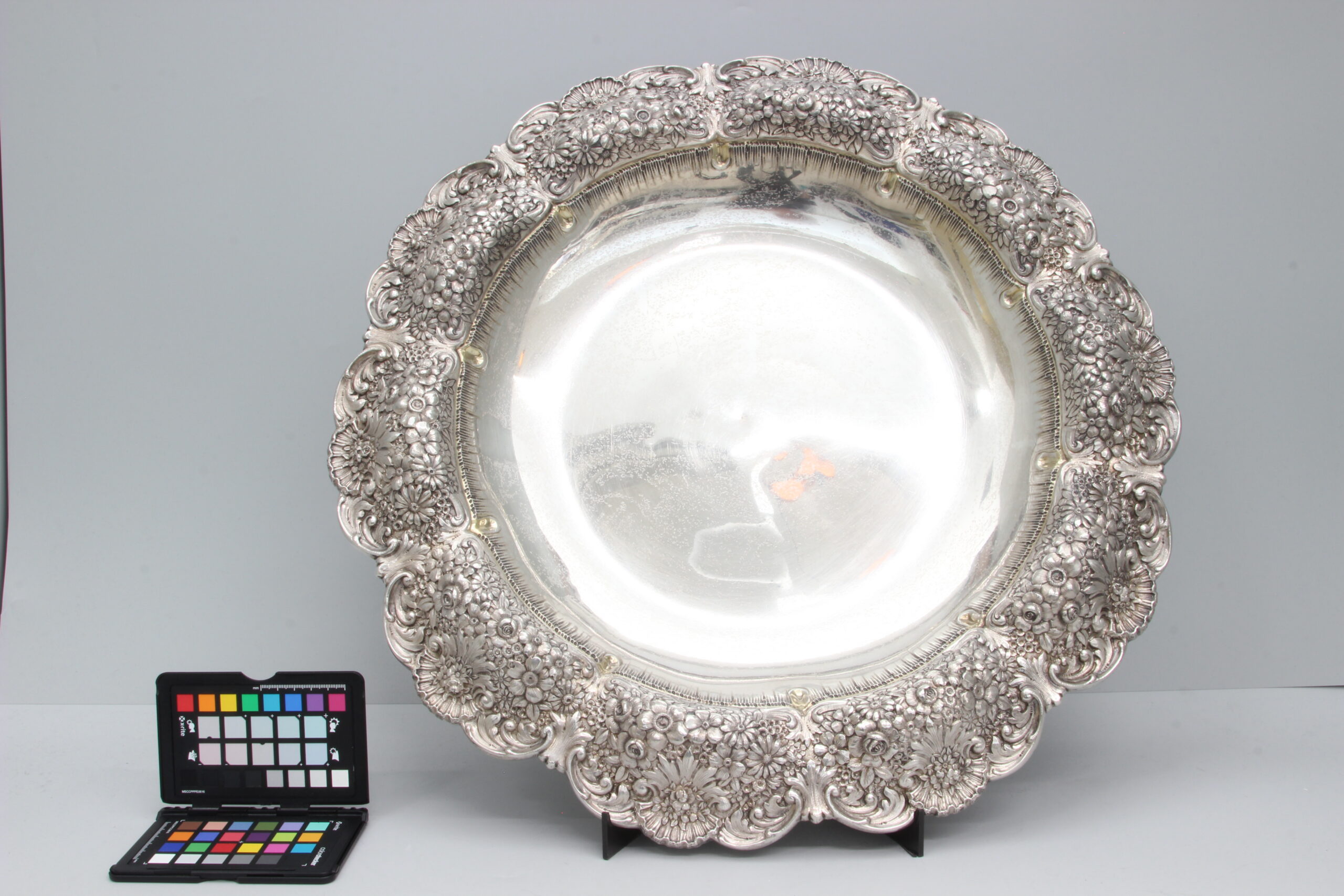
Figure 15. A sterling silver object by Tiffany & Co. from the Rijksmuseum collection treated with the L-cysteine cleaning protocol: (left) before treatment; (right) after treatment. Courtesy of the Rijksmuseum Metal Conservation Studio (Ellen van Bork and Joosje van Bennekom).
KER3
Beauveria bassiana-amended funori for copper corrosion stabilisation
A Beauveria bassiana-amended Funori gel was developed for the localized stabilization of archaeological copper, utilizing bioactive metabolites to promote the stabilization of reactive corrosion products while addressing the environmental, health, and practical limitations of current methods like benzotriazole (BTA) through a biodegradable delivery system that allows for efficient treatment of complex geometries and fragile corrosion layers.
Archaeological copper objects remain vulnerable to active corrosion after excavation due to reactive corrosion products, particularly chlorides, which can cause ongoing deterioration and loss of both structural integrity and historical information. Current stabilisation methods, such as the corrosion inhibitor benzotriazole (BTA), are effective but present significant environmental, health, and practical limitations, highlighting the need for greener alternatives.
Within the GoGreen project, we developed a Beauveria bassiana-amended Funori gel for the localised stabilisation of archaeological copper. B. bassiana produces bioactive metabolites that promote the stabilisation of reactive corrosion products. Incorporated into Funori, a biodegradable polysaccharide extracted from red seaweed, these metabolites can be delivered directly to corroded surfaces through a controlled and localised application.
The Funori gel was optimised to provide suitable viscosity, stability and adhesion, allowing treatment of complex geometries and fragile corrosion layers while minimising reagent consumption and waste. The system was evaluated on artificially corroded metal coupons and archaeological artefacts, demonstrating the feasibility of this bio-based treatment and the advantages of a non-immersion application.
Beyond the proof of concept with Beauveria bassiana, the Funori delivery platform can be adapted to incorporate other beneficial microorganisms or their metabolites, offering a versatile and environmentally friendly strategy for the conservation of archaeological metals.
Benefits for users:
- Eco-friendly stabilisation – Provides a biologically mediated method for metal protection without synthetic polymers or harsh chemicals, reducing environmental impact and health risks.
- Long-term surface preservation – Promotes formation of coherent, adherent biomineral layers that enhance corrosion resistance and maintain structural and aesthetic integrity.
- Versatile application – Suitable for heritage artefacts, antiques, and outdoor architectural metals, offering a single solution across multiple sectors.
- Biologically active and adaptable – Funori films can carry living microorganisms, or metabolites, allowing tailored stabilisation strategies for different metal types and exposure conditions.
- Regulatory and sustainability alignment – Supports heritage conservation guidelines and green building/industrial standards by reducing toxic chemical use.
- Scalable and transferable – Laboratory protocols can be translated into professional training, service contracts, or licensing agreements for industrial and conservation users.
Contact: Edith Joseph, HE-Arc CR/HES-SO, edith.joseph@he-arc.ch
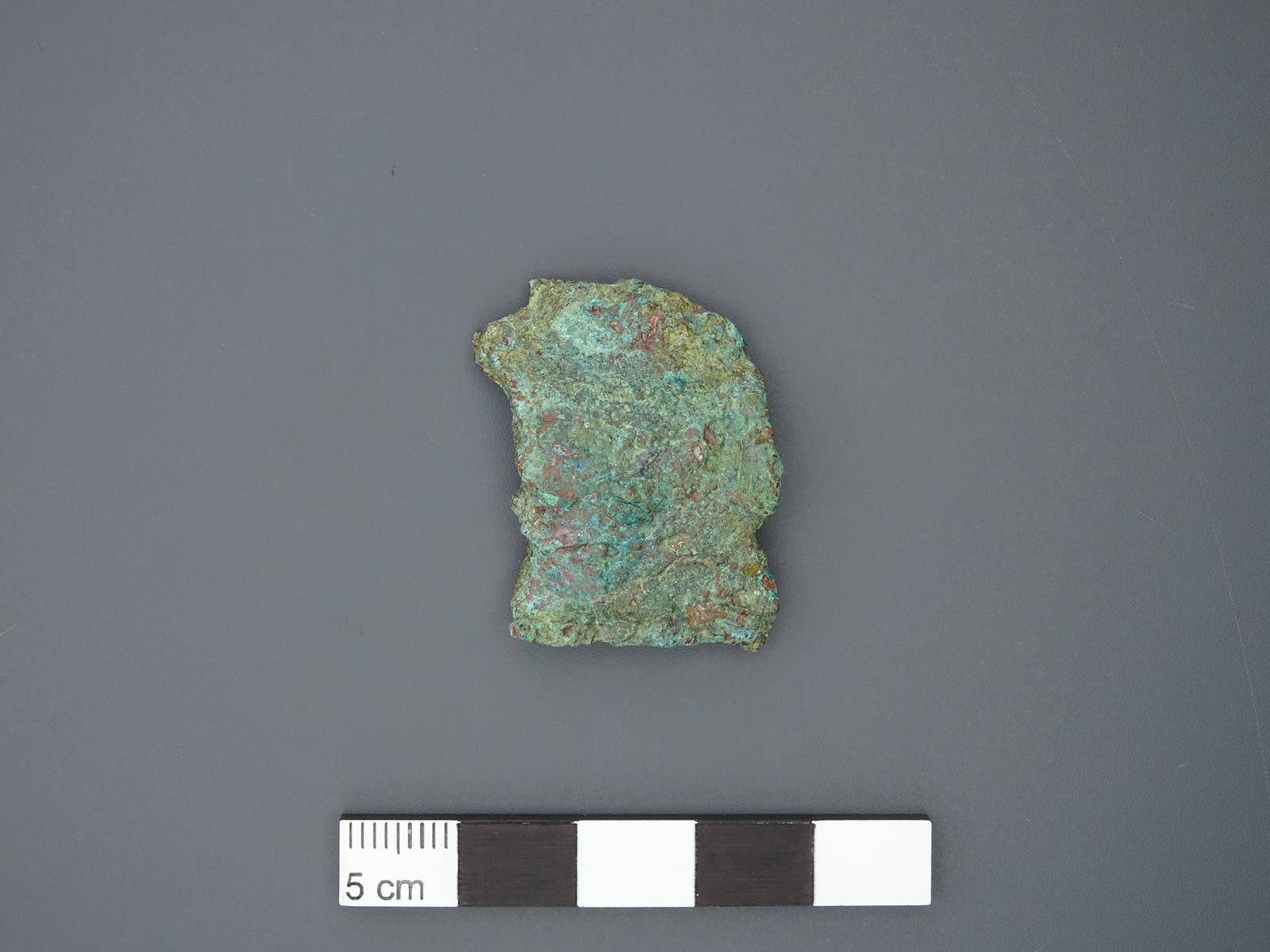
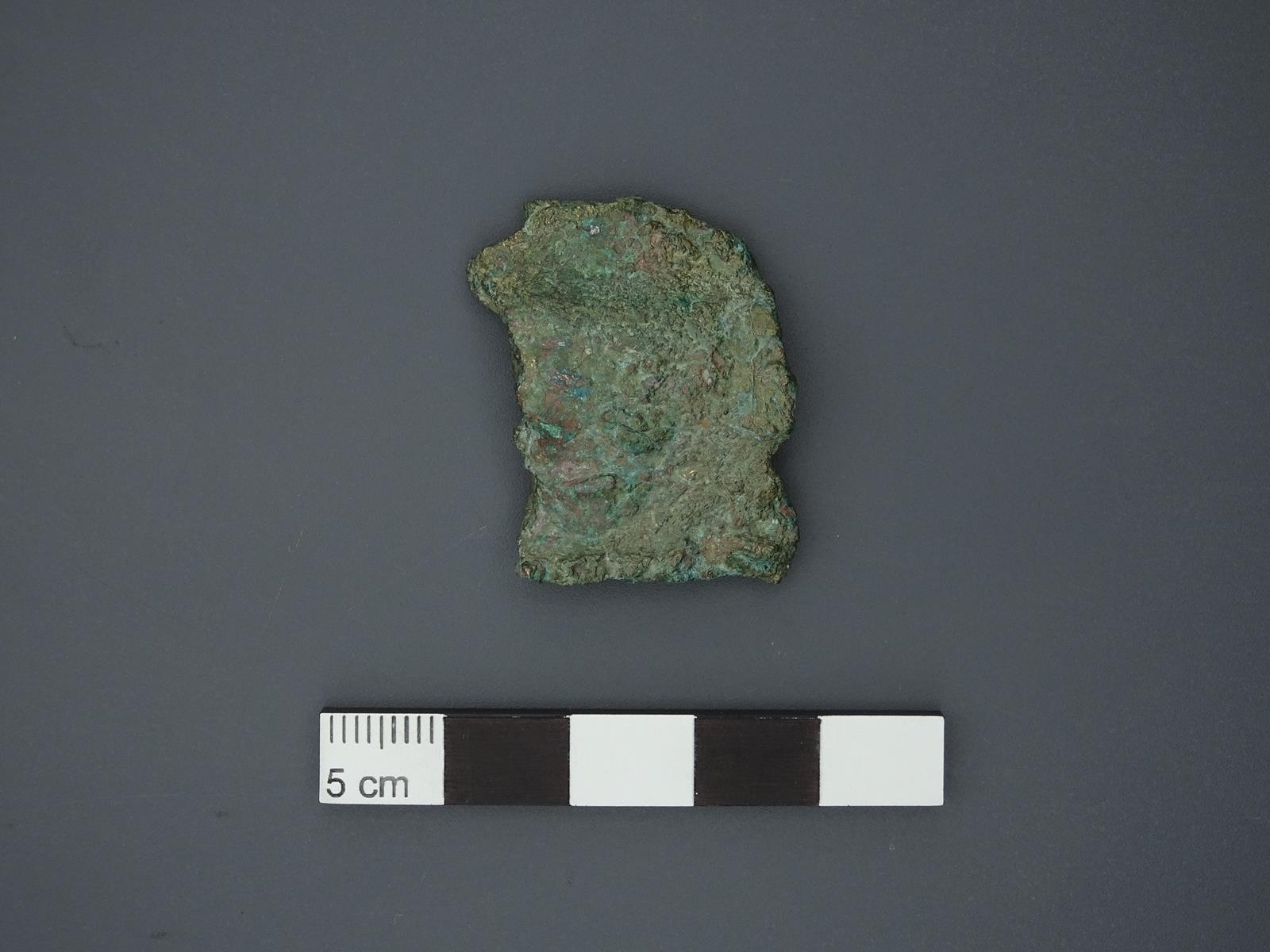
Figure 16. Archaeological copper object treated with funori gel and beauveria bassiana. Courtesy of Kusi Colonna-Preti, Servei d’Arqueologia de Barcelona.
KER4
Decision Making Model (DMM)
The Decision Making Model (DMM) was developed to assist conservation professionals in navigating the complexities of implementing environmentally sustainable practices by identifying opportunities and barriers, addressing technical and organizational factors, and providing a structured framework for decision-making and communication to effectively translate green ambitions into practical action.
Many people working in museums, galleries, and heritage conservation want to make their work more environmentally sustainable. However, knowing what to do is often only part of the challenge. Technical information, organisational structures, available resources, and established ways of working can all influence whether green ambitions are successfully implemented.
The Decision Making Model (DMM), developed through the GoGreen project, helps conservation professionals identify both opportunities and barriers to greener practice. Acting as a framework for decision-making and communication, it helps users identify and understand the connections and potential for more sustainable ways of practising conservation.
Rather than offering a single solution, the model guides users through a process of identifying issues, exploring options, and recognising the technical, social, and organisational factors that influence outcomes. It provides a common structure for discussing these challenges with colleagues, managers, and project stakeholders, making it easier to turn environmental ambitions into practical action.
A key strength of the DMM is that it embraces technical questions that connect with other outputs of the GoGreen project and also considers the social and organisational factors that influence conservation decisions and their implementation. This helps users recognise why some sustainability initiatives gain traction while others struggle to move beyond good intentions.
The model is supported by examples and resources that demonstrate how green approaches can be applied in practice. By helping practitioners identify barriers, communicate challenges, and develop realistic strategies for change, the Decision Making Model supports the transition from environmental ambition to lasting improvement in conservation practice.
Potential impacts: This supports enabling implementation of standards and protocols that clarify what constitutes “green”. The Decision Making Model includes social considerations of conservation actions (the implications it will have on how the object or project is perceived).
Contact: Joel Taylor, Norwegian Institute for Cultural Heritage Research, Joel.Taylor@niku.no
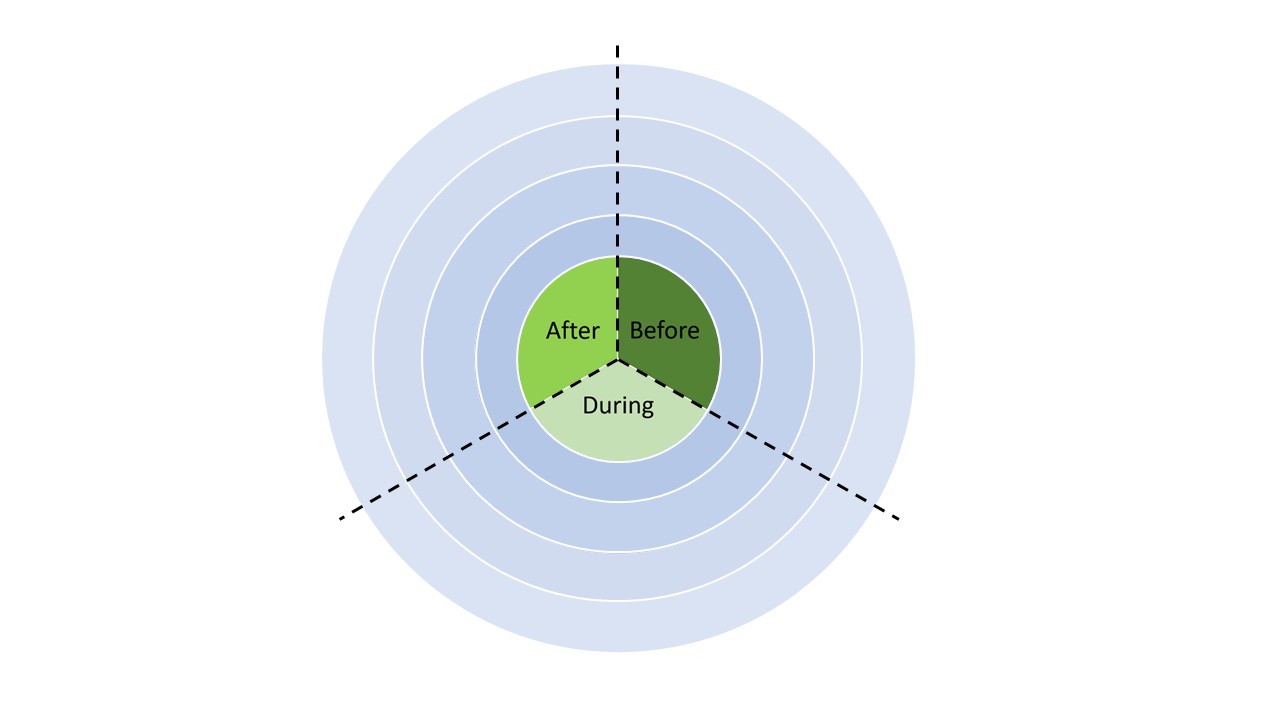
Figure 18. The decision making model.
KER5
Non-woven cleaning methodology
The proposed solution uses non-woven fabrics impregnated with appropriate solvents to reduce solvent spread and volume drastically, adsorb unwanted materials without mechanical action, and ensure controlled solvent release. This minimises unwanted interaction with preserved layers, enhancing the sustainability of art restoration practices and protecting both the artwork and restorers' health.
In conservation and restoration, one of the most delicate practices is cleaning. Traditionally, cotton swabs have been used, but in some cases they can cause chemical damage due to poor control of solvent release and mechanical damage. The proposed solution uses non-woven fabrics impregnated with proper solvents. The non-woven retains the solvent, drastically reducing solvent spread beyond the application area and the volume of solvent used compared with the cotton-swab standard approach.
Another advantage is that, in specific cases, such as removing varnish from paintings, it also acts as an adsorbent, allowing the peel-off of the unwanted material and avoiding mechanical action for removal. The non-woven can be easily shaped in the size and form necessary for the application. Furthermore, the system is designed to be as sustainable as possible, starting with the constituent materials and the amount of solvent required.
Another development in the project is the incorporation of melanin nanoparticles into the electrospun fabrics. When exposed to light irradiation, the melanin nanoparticles undergo nonradiative relaxation and release heat locally, accelerating the swelling and solubilisation of particularly resistant coatings, such as alkyd resin spray paints, that would otherwise require aggressive solvents or prolonged contact times. This photothermal effect enables efficient removal with high spatial control and short application times, while keeping overall solvent volume to a minimum and further extending the range of substrates and coating types that can be treated with the non-woven fabric approach.
Potential impacts: The developed materials will support a more sustainable approach to art restoration campaigns, reducing not only environmental impact but also risks to restorers' health. Their use also reduces the risk of procedure-related damage to the artwork, safeguarding it for the public and future generations. Indeed, the materials can provide a controlled release of the solvent. The solvent is confined to the area of the mat. It is released in the outermost part of the object, reducing unwanted interaction with the layers to be preserved.
Contact: Silvia Prati, University of Bologna (UNIBO), s.prati@unibo.it

Figure 19. Electrospinning ES Non-woven tissue being cut prior to impregnation with solvent and application.
KER6
Digital Support Application (DSA)
The GoGreen DSA (Digital Support Application) was developed as a web application that allows end users (e.g.: restorers, conservators, researchers, students) to evaluate the greenness of the materials and treatments they intend to use in cultural heritage preservation. This facilitates quick assessment of environmental impact, selection of safer materials, and improves decision-making for conservators and heritage professionals in institutions and small and medium sized enterprises (SMEs) while ensuring compliance with sustainability standards and adding value in public tenders and client communication.
The DSA is a web-based tool designed for practical use by conservators, restorers, researchers, students, conservation laboratories, heritage institutions and SMEs. It supports users in comparing the environmental and safety implications of conservation materials and treatment strategies through the 14 Green Parameters developed within GoGreen, helping them integrate sustainability considerations into everyday conservation practice.
It provides a practical means of incorporating sustainability into treatment planning and documenting the rationale behind material and treatment choices. By providing transparent and comparable assessments in a non-prescriptive way, it can strengthen communication with clients, heritage institutions and contracting authorities, and support responses to procurement procedures and public tenders where environmental performance and sustainability criteria are increasingly relevant.
Contact: Arianna Traviglia, Italian Institute of Technology (IIT), Arianna.Traviglia@iit.it
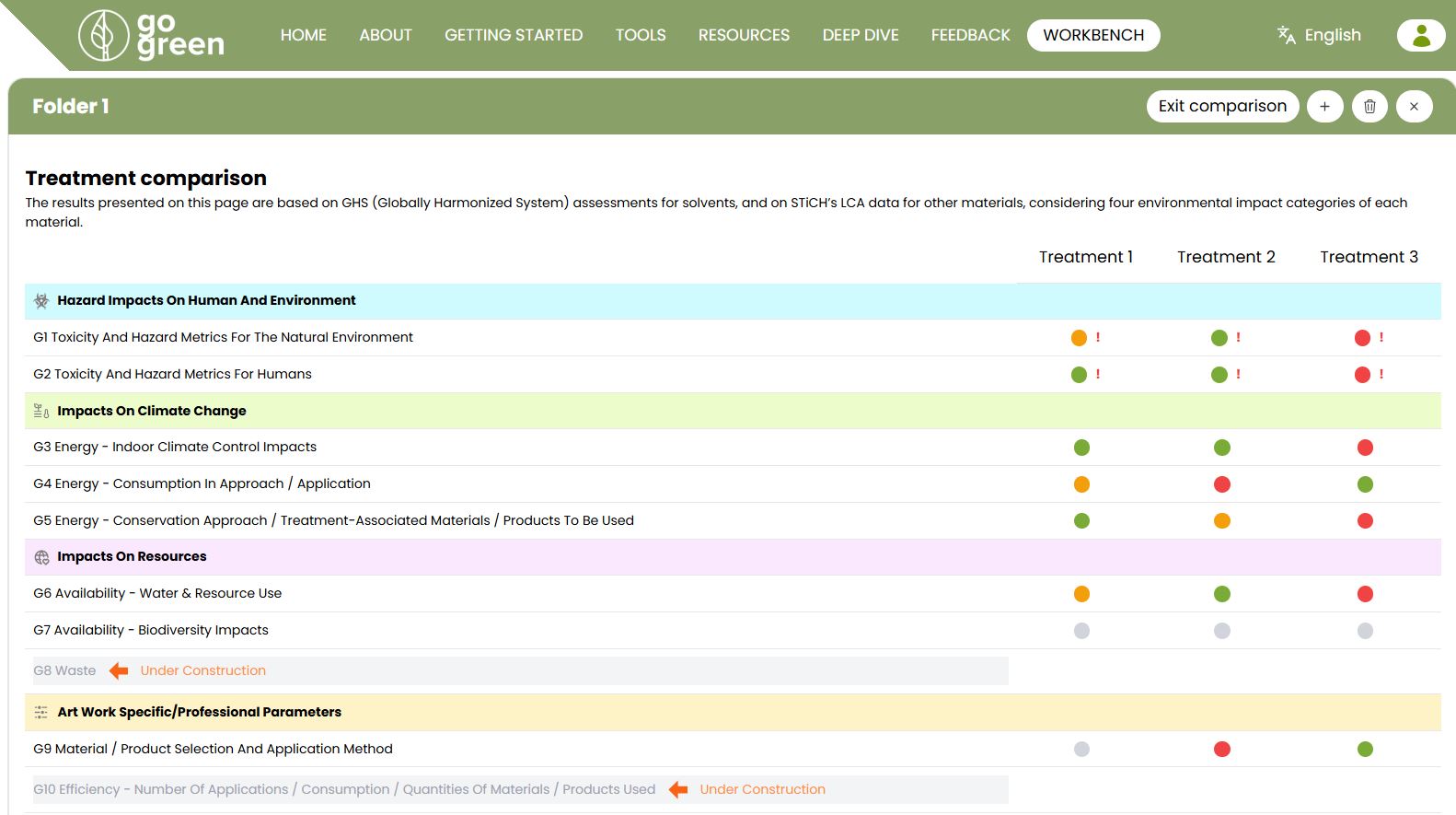
Figure 20. Result table of the treatment comparison tool with a comparative output for 14 green parameters (see also KER1).
For more information regarding the DSA such as layout, data input, output and interpretations of results, please check the current tutorial and list of publications and webinars below.
KER7
Patent for the production of mesoporous silica nanoparticles
A stabilisation treatment for ancient glass using dendritic mesoporous silica nanoparticles prepared with a patented protocol was developed (Patent application PCT/IB2025/055210; Zanini et al.). It offers a green, fast, and scalable alternative to existing polymeric resin treatments that present issues of incompatibility, low durability, and potential toxicity, while also promoting sustainability and efficiency in modern glass production systems and fostering industrial competitiveness by reducing energy use and emissions.
Contact: Arianna Traviglia, Italian Institute of Technology (IIT) Arianna.Traviglia@iit.it
KER8
GoGreen Academy
A collective package of green education module descriptions and session guidelines were developed as the GoGreen Academy. It supports the adoption of green thinking in conservation training, enabling educators to adapt the content to their specific contexts and offering commercial potential by allowing the design of courses for commercial delivery based on these modules and class descriptors.
The green education module descriptions and session guidelines consist of 4 module documents with class by class descriptions for undergraduate and postgraduate conservation educators or providers of continuing professional development. Educators can use the modules to adapt to their own contexts.
Contact: Clare Richardson, Courtauld Institute of Art, Clare.Richardson@courtauld.ac.uk
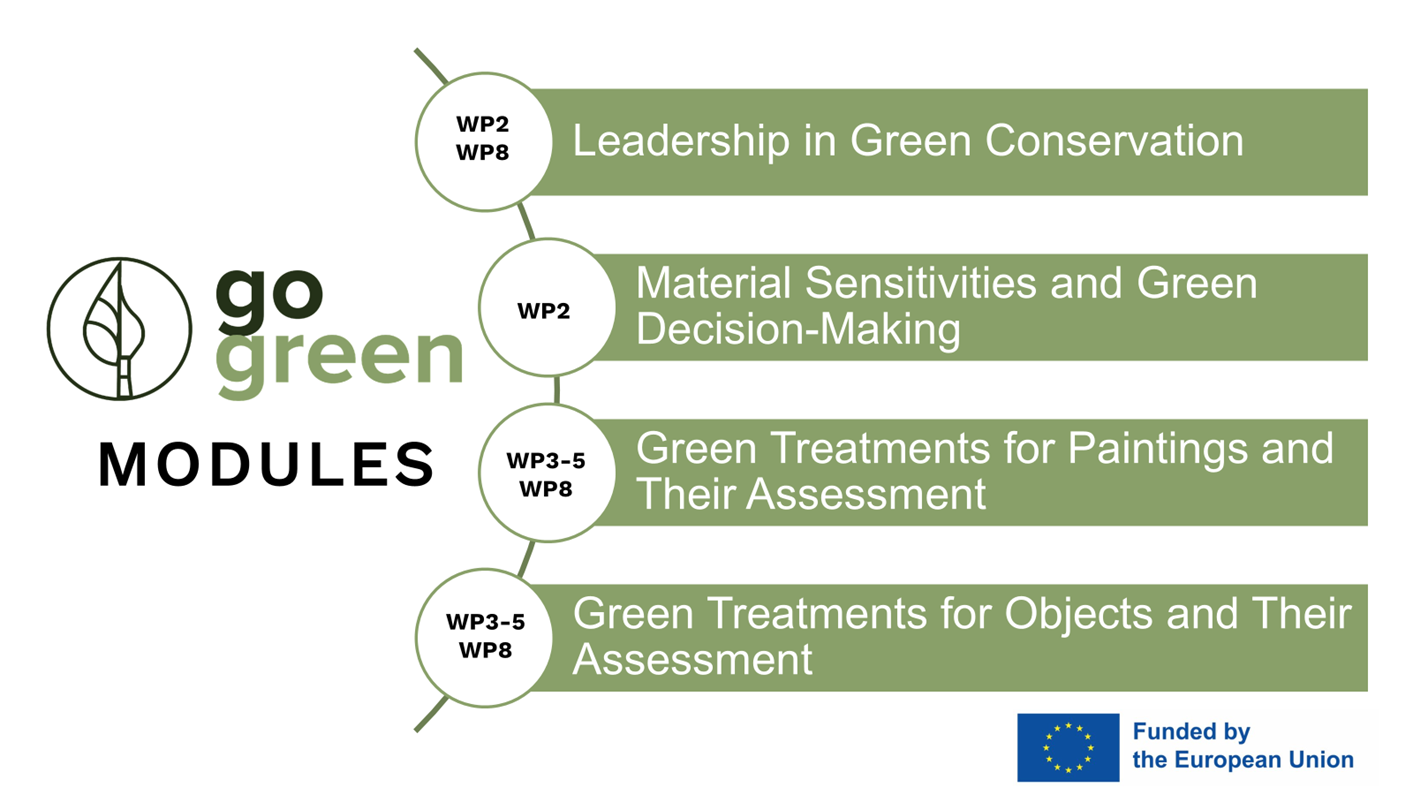
Figure 21. The four Educational Modules produced through GoGreen.
A workshop dedicated to advancing green education in conservation was held at the Courtauld Institute of Art in 2026: GoGreen Academy: Advancing Green Education in Conservation. Participants explored practical tools, hands-on training modules, and innovative approaches designed to embed sustainability into everyday conservation practice. A network was created which will help strengthen collaboration and knowledge exchange across the sector.
KER9
HERIe platform
The GoGreen project supported the further development of HERIe, a preventive conservation platform. It is freely available online at herie.pl. It provides users (museums, archives, libraries, and conservation professionals) with tools to assess risks from environmental factors and predict mechanical damage to vulnerable objects while translating scientific risk calculations into visible changes. Currently supporting over 4,776 active users worldwide, it allows better interpretability and conservation decision-making.
To help museums, archives, libraries, and conservation professionals around the world better protect cultural heritage collections, the HERIe preventive conservation platform has been further developed within the GoGreen project. The platform provides easy access to tools that assess risks to heritage objects in storage and display environments.
HERIe helps users evaluate how environmental factors such as air pollution, light, ultraviolet radiation, temperature, humidity, and fire can affect cultural heritage collections. A unique feature of the platform is its ability to predict the risk of mechanical damage to vulnerable objects, including wooden artefacts, canvas paintings, and parchment manuscripts, caused by changes in temperature and humidity.
As part of the GoGreen project, the platform has been enhanced to translate scientific risk calculations into visible changes that may occur in heritage objects. Instead of presenting only numerical values, HERIe now helps users understand what different levels of risk may actually mean for the appearance and condition of an object. This makes the results easier to interpret and supports better conservation decisions.
The platform can also assess other forms of deterioration, including:
- ageing of paper, linen canvas, cellulose acetate, and PVC materials;
- corrosion of metals such as copper, silver, and steel;
- fading of more than 150 pigments and dyes caused by light exposure;
- levels of harmful air pollutants in exhibition rooms and display cases.
In addition, HERIe helps users evaluate indoor climate conditions according to internationally recognized museum standards and supports the design of simple humidity-control solutions using silica gel.
Today, HERIe has more than 4,776 active users worldwide, making it one of the most widely used online tools for preventive conservation. It is used by museums, libraries, archives, conservation professionals, researchers, and students, helping to safeguard cultural heritage for future generations.
Contact: Łukasz Bratasz, Jerzy Haber Institute of Catalysis and Surface Chemistry, Polish Academy of Sciences, lukasz.bratasz@ikifp.edu.pl
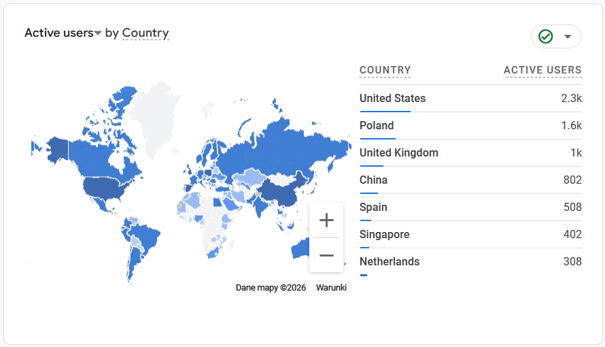
Figure 22. Active users of the HERIe platform by country.
KER10
Damage functions
Current conservation practice employs tight temperature and relative humidity bands to slow the deterioration of metals and glass, but the GoGreen damage functions, which will be freely available once published and offer an accurate indoor solution without competitors, would enable a more targeted approach that reduces costs and carbon footprint while effectively protecting these objects, catering to users such as conservators, conservation scientists, and collections managers.
Contact: David Thickett, English Heritage, David.Thickett@english-heritage.org.uk
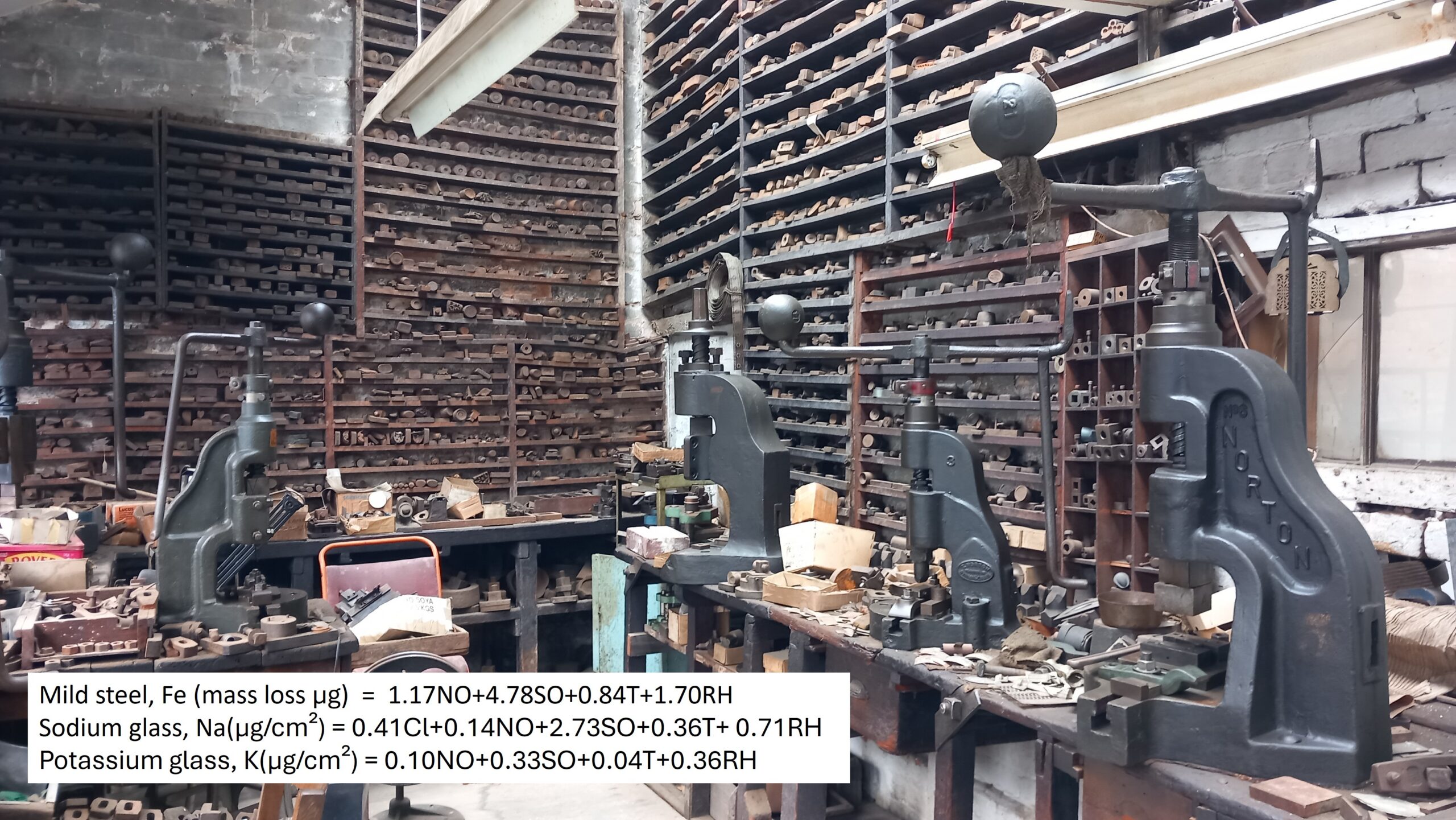
Figure 23. GoGreen damage functions.
KER11
Historical cleaning
This result focuses on using domestic economy publications as undervalued technological sources for historical cleaning practices in art and heritage conservation, where it seeks to develop greener alternatives to modern conservation techniques by examining historical "caring" practices and creating a theoretical framework to translate insights from historical recipes into sustainable solutions for the future.
Historical treatment methods for paintings and for silver heritage objects make use of materials and techniques developed before the establishment of the petrochemical industry. Many of such methods have been forgotten or fallen out of use in the twentieth century. Typically characterized by their low-tech nature and use of materials that are locally sourced, they provide inspiration for the development of new, greener methods. Within the GoGreen project, their potential is investigated as alternatives to current methods, many of which are effective but present significant environmental, health, and practical limitations, highlighting the need for greener alternatives.
Within the GoGreen project, research was carried out into historical methods as inspiration for the cleaning of two types of objects, silver objects and historical easel paintings. Research into the cleaning of silver objects focused on the removal of silver tarnish from pure silver and sterling silver objects using yeast (inspired by the historical use of wine lees as wasted biomass) and sodium thiosulfate, and into the use of natural abrasives. For the removal of varnish from easel paintings, promising candidates mentioned in historical recipes concerned two avenues of research. First, the use of essential oil derived solvents to replace solvents from the petrochemical industry. Second, two historical application methods that can reduce the amount of solvent needed, namely clay as a poulticing material and the heating of solvents to increase solvent activity.
Challenges to deal with in using historical materials for conservation treatment concern the variability of material composition that characterizes historical, locally-produced materials and the chemical complexity of the cleaning systems described.
In the method developed for silver tarnish removal inspired by historical recipes using wine lees, a yeast strand common in wine making, Saccharomyces cerevisiae, is loaded onto a Japanese tissue paper, which is in direct contact with the tarnished silver. This is combined with the mild chemical reducing agent sodium thiosulfate loaded into a gel placed on top to achieve controlled solvent release and surface contact.
After a first testing of various abrasives described in historical recipes, a selection of the best performing ones, namely oak ash, cuttlefish bone powder, Tripoli, and rouge (iron oxide) were tested by metals conservators at the end user workshop. Among these candidates, rouge received the most interest as it provided very satisfying polishing results with minimal surface impact. The nanoscale particle size and round shape of modernly produced rouge powder mitigated the abrasiveness of the material due to the hardness level, and therefore has the potential to be re-introduced as a conservation material. Further testing is necessary to find an optimal combination with liquid carriers.
Varnish removal from historical oil paintings using essential oils consisted of three stages. First, natural essential oils were tested. In phase two, the activity was explored of three monoterpenoids contained in such oils (linalool, terpinene-4-ol and eucalyptol), selected because of their properties, sustainability, and expected applicability as a replacement for current solvents. Phase three, ongoing, evaluates the short- and long-term effects on essential oils on the chemistry and physical properties of the oil paint films.
Research1 into clay poultices explored the effects of three types of natural clay (montmorillonite, Fuller’s earth and bentonite) with ethanol and gamma-valerolactone on a natural resin varnish. Varnish removal using solvents heated to different temperatures was developed in a pilot study. Protocols were established for both types of cleaning.
Further investigations for the varnish removal systems will focus on the application of the systems on wider ranges of test objects, towards the introduction of these methods into the toolbox of conservators, extending their capacity for offering versatile and environmentally friendly strategies for the conservation of silver objects and easel paintings. For the silver tarnish removal system with yeast, future investigations will investigate the mechanisms behind its activity and the optimization of treatment efficiency.
Contact: Maartje Stols-Witlox, University of Amsterdam (UvA), M.J.N.Stols-Witlox@uva.nl
Endnote:
1. The research into clay poultices was executed by Victoria Ward, Rijksmuseum/Migelien Gerritsen Fellow, added to the project and supervised by GoGreen researchers but funded differently.
KER12
Software to improve the output of spectral imaging while minimising irradiation
The software aims to optimize experimental conditions to enhance the output of spectral imaging while minimizing irradiation, targeting lead users (e.g: instrumentation, software companies), and end users (e.g: experimental scientists); its commercial potential will be assessed, with possibilities for licensing or assigning intellectual property rights, and it may be offered as part of a larger package or as a stand-alone app based on a subscription license.
Contact: Loic Bertrand, École normale supérieure (ENS) Paris-Saclay, loic.bertrand@ens-paris-saclay.fr