
BLOG: GoGreen Academy: Learning Through Module Demonstrations
September 15, 2026
BLOG: Getting to know oil paints
September 20, 2026
Part 3 of 3: Lab tours and roundtable
Author: Nicole Gasparini Casari (CRT)
Lab tours
At the end of the first day, participants were invited behind the scenes to visit The Courtauld’s conservation studios, housed within its historic Somerset House premises.
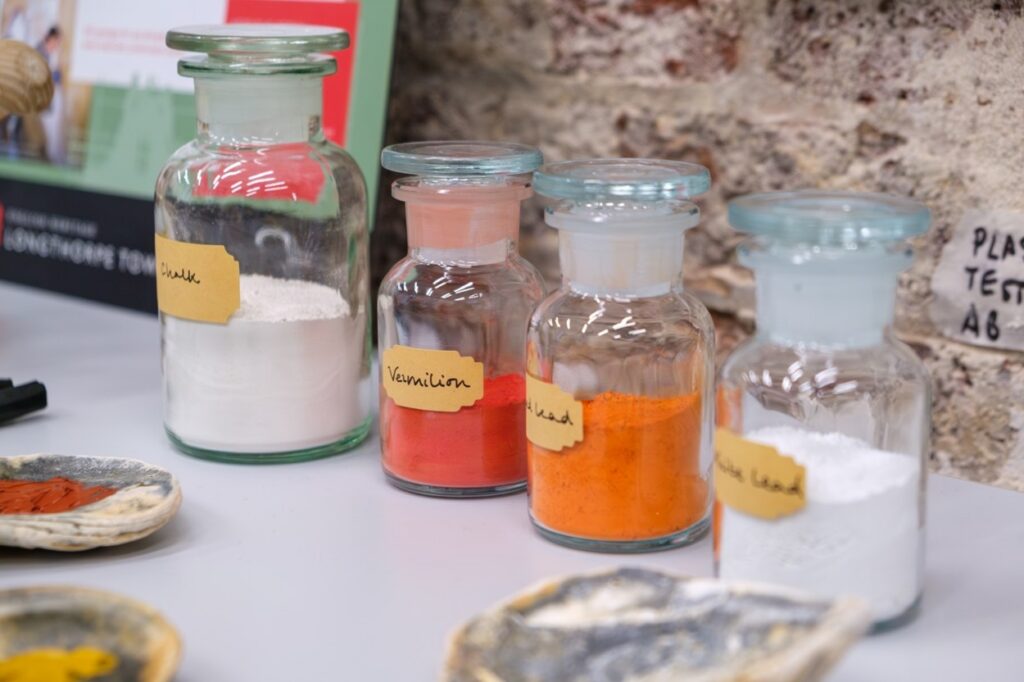
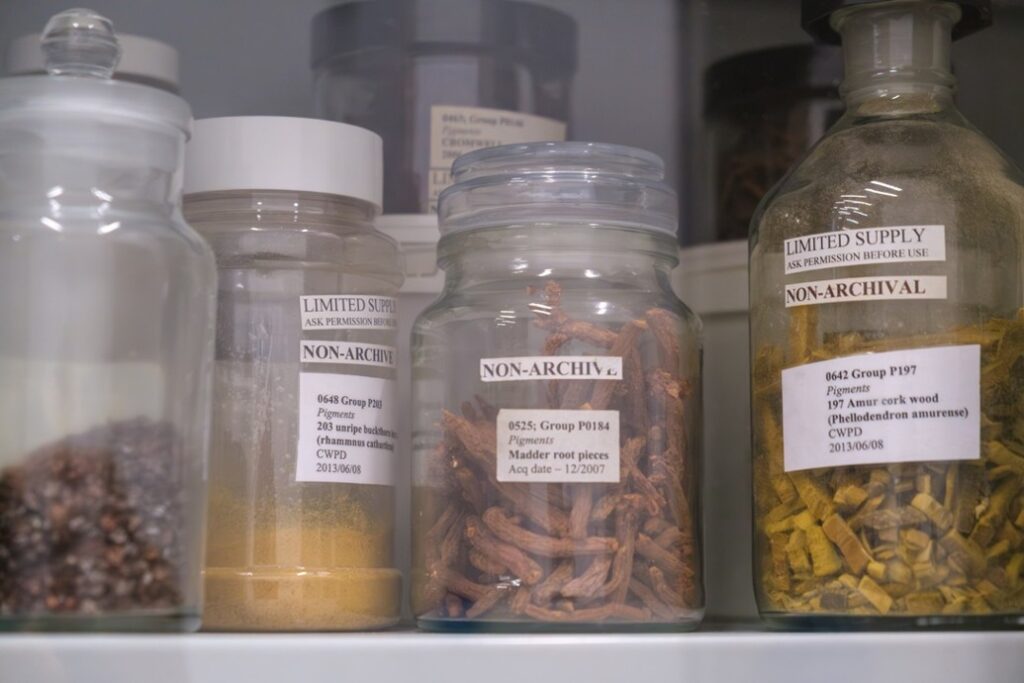
Figure 1: Pigments in The Courtauld’s Conservation Labs, Somerset House.
Divided into smaller groups, they toured the Easel Paintings and Wall Paintings conservation studios, as well as the X-ray imaging facilities, where members of the conservation faculty demonstrated how research, technical examination and practical treatment come together in the care of works of art.
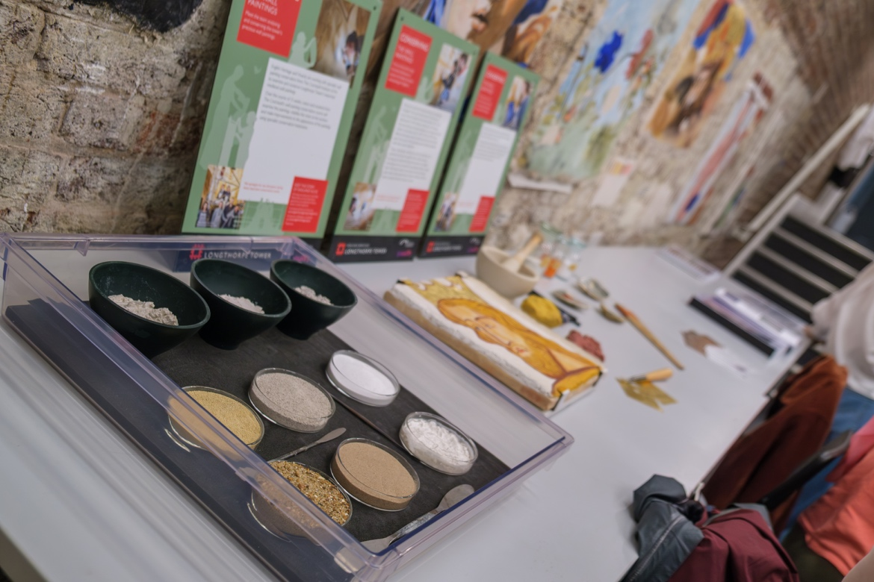
Figure 2: Materials and tools in The Courtauld Labs, Somerset House.
Rather than focusing solely on treatment techniques, the visits encouraged participants to reflect on the decision-making processes that underpin conservation practice. Echoing many of the themes explored throughout the GoGreen Academy, discussions highlighted that sustainable conservation is rarely about identifying a single “correct” solution, but instead requires balancing the needs of the object with ethical considerations, available evidence and the potential environmental impact of different interventions.
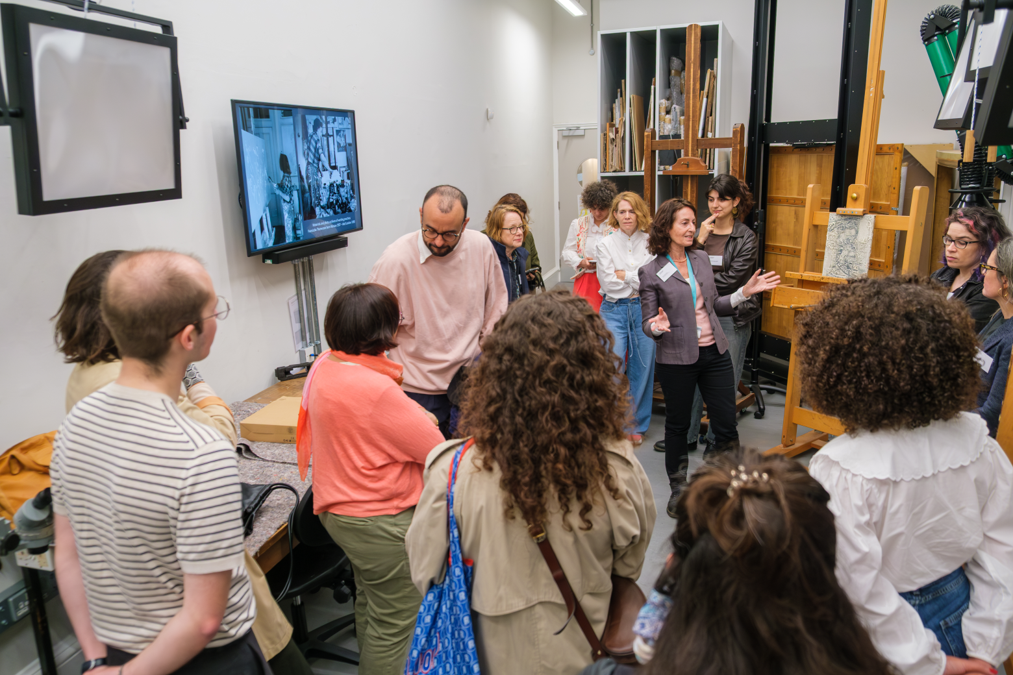
Figure 3: Courtauld faculty presenting work in progress on an easel painting to the attendees.
Easel paintings and X-ray
Within the Easel Paintings studio, participants discussed a series of ongoing conservation case studies that illustrated the complexity of treatment decisions. One example examined research into craquelure on a twentieth-century painting, prompting debate over whether the cracks formed part of the artist’s original intention or resulted from deterioration after the work was completed. The conversation demonstrated how treatment decisions often extend beyond technical diagnosis to encompass ethical judgement and differing professional perspectives. Further discussion explored varnish systems and the challenges of selecting appropriate cleaning methods. Participants also debated the wider implications of using less environmentally friendly materials when no equally effective alternatives are available.
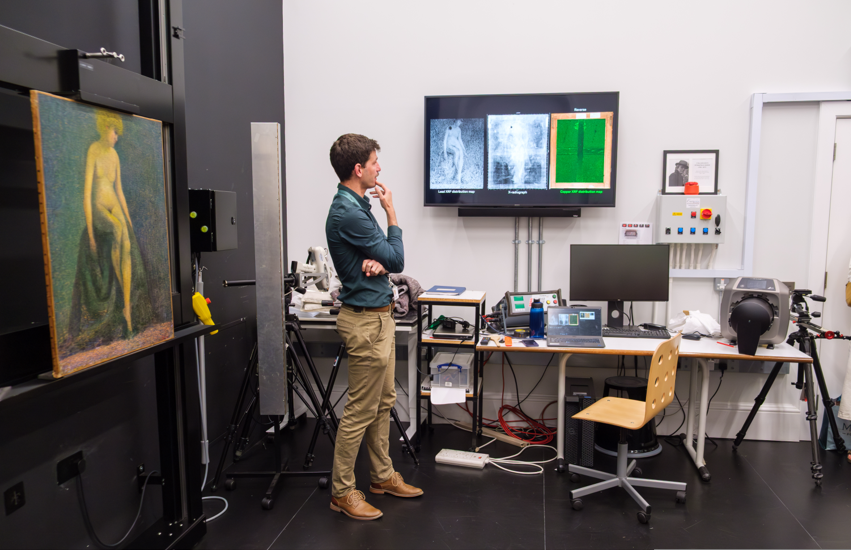
Figure 4: Courtauld faculty presenting X-ray analysis on an easel painting.
There was no comment about the problem with use of Xylene for one of the varnishing diluents which might be found surprising, given the workshop focus on greener alternative solvents. While more experienced conservators agreed that the needs of the artwork should remain the primary consideration, even where this required the careful use of traditional materials, few others questioned whether intervention should proceed if greener alternatives could not yet achieve comparable results. Although time limited further discussion, the exchange reflected one of the GoGreen Academy’s recurring themes: that advancing greener conservation depends not only on developing new materials, but also on fostering informed, critical dialogue about how and when they should be used.
Wall paintings
The visit to the Wall Paintings conservation studio offered participants a perspective on how the practical realities of conservation vary across different types of cultural heritage.
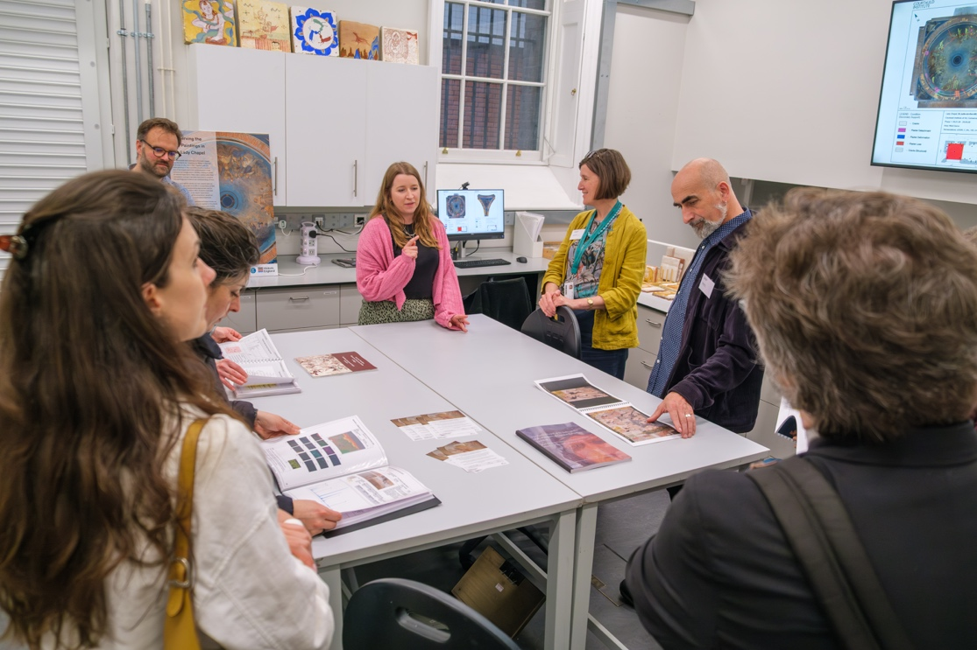
Figure 5: Courtauld faculty and students presenting wall paintings fieldwork.
Here, faculty and students presented some of their most recent fieldwork projects, discussing the particular challenges of conserving paintings that form part of a building system. Opening the studios to the GoGreen Academy’s participants provided a valuable opportunity to connect the educational aims of Work Package 7 with the realities of professional practice.
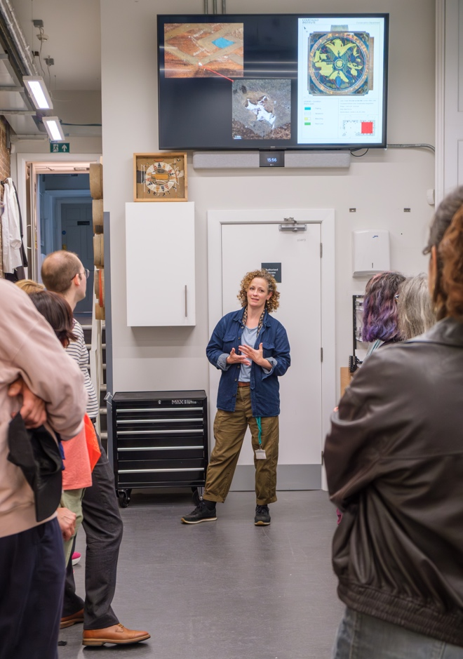
Figure 6: Courtauld faculty presenting wall paintings fieldwork.
Roundtable discussion
The final roundtable brought together reflections from across the two days, providing an opportunity to discuss the opportunities and challenges of moving towards greener conservation in practice. Faced with the many possible areas for improvement, and the recognition that significant progress is still needed, participants commented on how sustainability can sometimes feel overwhelming. Presenters stressed the importance of approaching green conservation as a continuous learning process rather than as a single transformative action. Instead of attempting to address every aspect at once, practitioners can begin by focusing on the parameter, material or working practice that is most relevant to their context or most within their control, gradually broadening their assessment as knowledge and resources develop.
Discussions also highlighted the practical challenges faced by conservators working in private practice. Participants noted that barriers are not limited to the higher cost of some greener materials, but also include the time and resources required to adapt existing methods, establish new procedures and introduce changes, while conservators working for private clients may face difficulties in encouraging others to invest in greener approaches. These reflections emphasised the importance of cross-sector knowledge exchange to ensure that the advances made through research projects such as GoGreen reach practitioners working in different contexts.

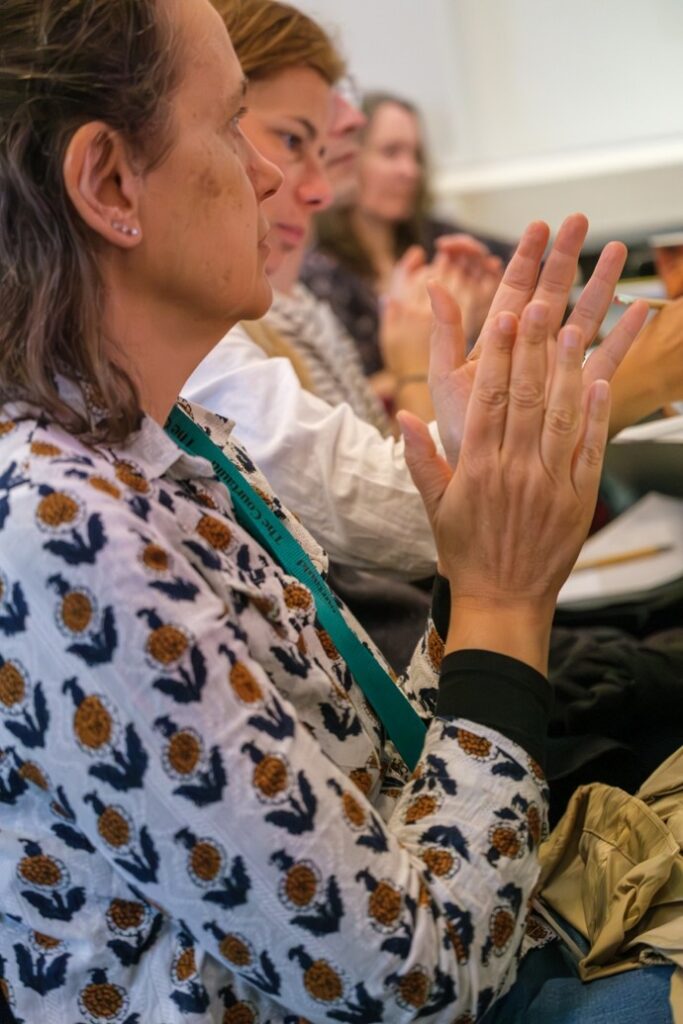
Figure 7: Attendees taking notes and asking questions during the final roundtable discussion.
One key discussion focused specifically on the practical realities of introducing new teaching materials within existing courses and professional training programmes. Participants highlighted the value of having guidance on which sessions provide the essential foundations, particularly for educators working with limited time or resources. In response, participants discussed the flexibility of the GoGreen modules, which are designed to be adapted, shortened and combined according to different needs, allowing educators to use individual sections rather than adopting the entire framework at once.
Another important outcome of the discussion was the strong interest in creating a lasting network for sustainability in the conservation profession. Participants highlighted the value of having a community of colleagues and specialists to consult when introducing greener materials, methods and teaching approaches, particularly while navigating the practical challenges of implementation. In response, delegates have been invited to express their interest in joining a future Network of Practice for Sustainable Conservation in Education.
Conclusion
The enthusiasm generated throughout the two days demonstrated that the transition towards greener conservation requires not only new technologies and materials, but also continued collaboration, knowledge exchange and collective reflection. By bringing together researchers, educators and practitioners, the GoGreen Academy created a space to explore how sustainability can become an integral part of conservation training and professional practice.
As the project draws to a close, the educational resources developed through Work Package 7 – and the conversations initiated during the GoGreen Academy – will continue to support the next generation of conservators in making more informed, responsible and sustainable decisions.
All images by Kate Green Photography, courtesy of The Courtauld Institute of Art, unless otherwise stated.