

Webinar: the GoGreen Digital Support Application in action!
July 8, 2026
The registration is open for GoGreen Final Event on 3 September!
July 14, 2026
Author: Cathryn Harvey (EH)
Introduction
This is a short piece describing my experience of working with cysteine solutions for cleaning silver-plated objects as part of the GoGreen project. I will start with a brief bit of background on myself, before detailing the experience of preparing the solutions and the testing itself.
I am an object conservator by training, with most of my experience in metals and preventive conservation but later shifted my focus to conservation science. I currently work as the GoGreen Conservation Science fellow at English Heritage.
In the GoGreen project, English Heritage (EH) is working on sustainable conservation practice (work package 2). They work on investigations into material vulnerability and damage functions are taking place to aid sustainable decision making.
Working with cysteine
However, in this blog, I would like to highlight our contribution for work package 3, which is developing new, green materials for remedial conservation treatments. Many traditional conservation methods for silver rely on solvents that are hazardous to human health or polishes that strip away the original surface. Among these new materials are cysteine-based solutions for the bio-cleaning of silver, developed by HES-SO. Cysteine is a proteinogenic amino acid, a biological building block of proteins (Mitchell, 2025; University of Rochester Medical Center, 2026). It is used in the food, pharmaceutical and personal-care industries (Mitchell, 2025).
Following extensive development of the methodology for use of the cysteine-based solutions and testing on mock-ups and coupons, the method needed testing on historical objects of solid silver and silver plating. Colleagues at HES-SO reached out to EH for assistance and provided the protocols and materials necessary.
EH took over the care and management of JW Evans Silver Factory in 2008. The site is a unique insight into the historic factories of Birmingham, preserved in a state as though workers might return at any moment. There are vast stores of silver-plated objects produced by the factory in varying states of preservation. These are unlikely to ever be displayed to the public and therefore were available to test new remedial cleaning methods with the cysteine.
Application methods
Through discussions with colleagues at HES-SO, four different application methods of the cysteine to objects were decided. These were:
- Immersion in solution
- Water-based gels soaked in cysteine solution
- Gels made with cysteine solution
- Swabbing with solution
Before beginning any of the preparation, I made sure to approximate how much of each application I might need and how much of each material would be needed to make up those amounts. I also made sure to calculate how much deionised water would need to be added to more concentrated solutions for dilution. This is a step that is worth doing ahead of time, as it saved me time on the day of preparation.
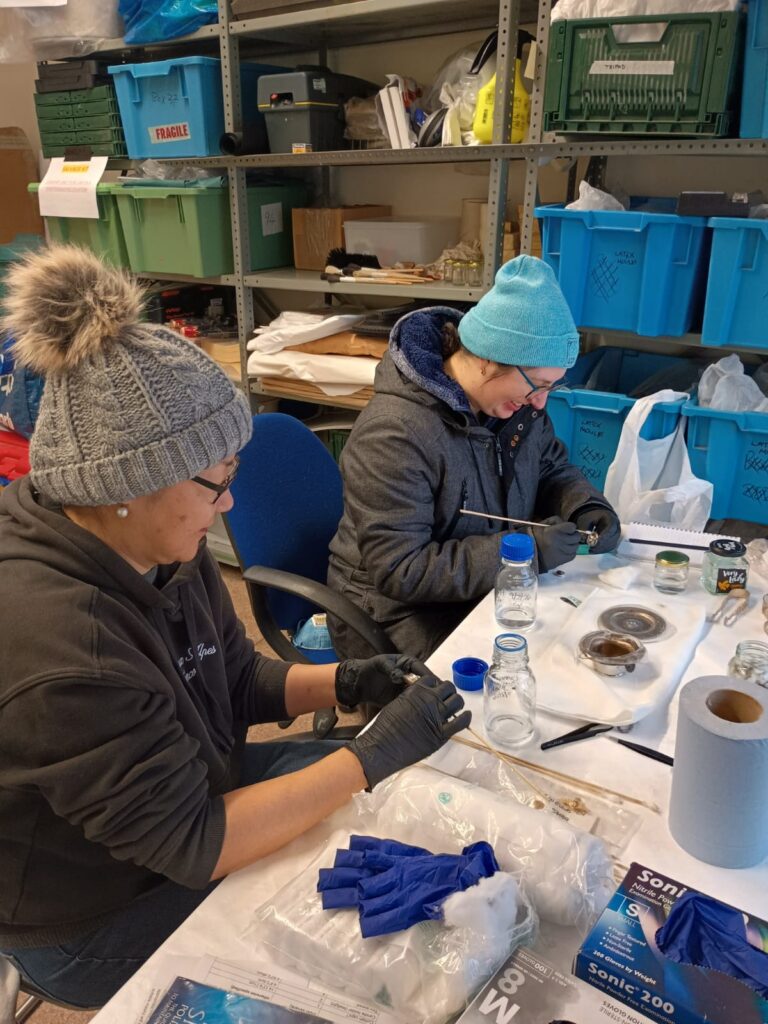
Figure 1: GoGreen colleagues Qing Wu (HES-SO) and Cathryn Harvey (EH) working together with cysteine.
All preparation, apart from heating gels on the hot plate, was carried out under a fume cupboard. Full personal protective equipment (eye protection, gloves, lab coat) was worn throughout the process. The glassware and other equipment used were clearly labelled. I started the preparation day with the water-based gels. Gels are notoriously tricky to make, and it had been some time since I had last made any. My first attempt was semi-salvageable, but I did have to make another batch. You must be very quick pouring the hot gel into the mould and spreading it evenly. These gels were then soaked in cysteine solution for several days to impregnate the matrix. My next step was to make sodium hydroxide (NaOH) solutions with a with a wide range of concentrations. The purpose was to adjust the pH of the cysteine solutions while maintaining the desired concentration. Next was the preparation of the stock cysteine solutions. Finally, some of the stock cysteine solution was diluted to a lower concentration for an immersion solution and for the creation of cysteine-based gels.
The objects
Fourteen small objects were selected from the store at JW Evans silver factory for testing. The on-site cleaning of these objects was carried out together with a colleague from HES-SO. All objects were degreased and cleaned with acetone prior to any treatment (Figure 2). This removed any previous coatings and dirt, leaving just the tarnish behind. Before doing any treatment, all objects were spot tested with a cotton swab soaked with cysteine solution (Figure 3). After each method of treatment, all objects were rinsed with deionised water and dried with a microfiber cloth before being fully airdried.
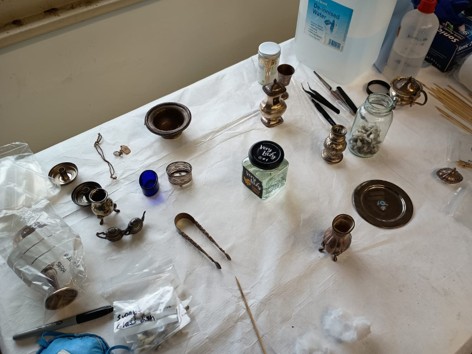
Figure 2: The objects after acetone cleaning in the working area.
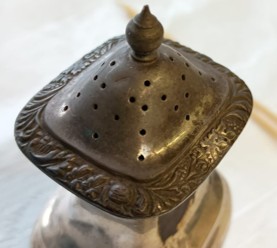
Figure 3: Spot testing the decorative elements.
Immersion was a straightforward process, and the objects were checked every 30 minutes (Figure 4). There were some issues with one of the objects, as it possibly contained iron, which turned the solution purple. Fresh solution and the removal of the iron-containing object resolved the issue. I would say that generally, the method worked well and is less involved, but large amounts of solution were required and was the most ‘wasteful’ of the application methods. The longer the objects were left in the solution, the more matte the surface would become. This was mitigated with a silver polishing cloth but is another factor to consider.
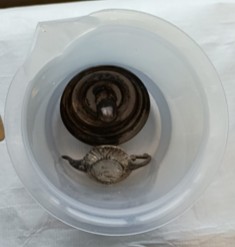
Figure 4: Objects in 1M cysteine solution.
The gels, both water- and cysteine-based, were interesting to work with (Figure 5). They are flexible and slippery. For 3D objects, it was difficult to wrap the gels and get sufficient contact with the object surface because of the residual solution on the soaked gels or the solution that had leached from the cysteine gels, as they had been prepared a few days earlier. There were often areas where the gel did not overlap properly or where the contact with the gel was insufficient. The objects were checked every 30 minutes and left wrapped for several hours. Upon removal of the gels, the objects were rinsed with deionised water. Where gels were not overlapped, or where there was insufficient contact, tidelines were left on the surface (Figure 6). These were extremely difficult to remove. Most success was achieved by swabbing with cysteine solution and then using silver polishing cloths, but it was still difficult to completely remove them. Silver polish or another abrasive likely would have been successful to remove such tidelines but unfortunately were not available during the testing process.
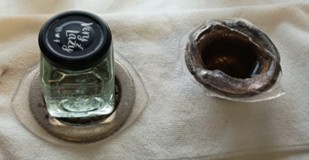
Figure 5: Objects with gels. The jar is weighing down the gel to provide optimal contact.
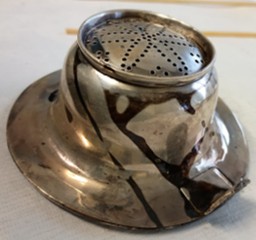
Figure 6: Tidelines on an object where there was insufficient contact with the gel. This is the most extreme example and was captured immediately after removal of the gel. The lines were reduced with further treatment.
Swabbing was done with cotton swabs and cysteine solutions, with the concentration depending on the level and stubbornness of tarnish on the object (Figure 7). It was extremely easy to do and required little effort beyond gently swabbing the surface, except for more stubborn areas of tarnish. The solution removed the tarnish without polishing the surface, leaving a cohesive surface that is not over-cleaned.
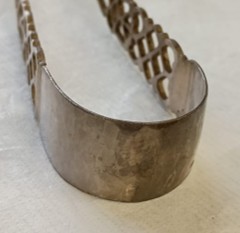
Figure 7: Sugar tongs partially cleaned with swabbing.
Conclusions
This was an extremely interesting experience that I am glad I was part of. Personally, as someone with experience working with large silver gilt objects, I found the swabbing the easiest, controllable and adaptable. I feel the gels could be useful for more targeted treatments on relatively flat objects, but they may not be suitable for 3D objects, especially when the gels are not freshly prepared. Immersion would work well for small, intricate objects. The presence of sulphur does mean that the solutions do smell. This can be mitigated with extraction, but in the case of JW Evans Silver Factory, this was not an option, although it was well ventilated. The smell was annoying but not overwhelming and was reduced further with FP2 masks. Monitoring of hydrogen sulphide (H₂S) also showed that the emission levels were far below the warning level according to U.K. standards.
The biggest challenge was the preparation of the solutions, particularly with highly concentrated NaOH solutions. This preparation must take place in a suitable fume cupboard with facilities for disposal, not something that many conservators and conservation labs have access to. Our collaboration partner at HES-SO, who developed the cysteine protocol, have suggested that lower concentrations of NaOH could be used if only lower-concentration cysteine solutions are required. For the treatment itself, I found that the solutions worked beautifully for swabbing, without cleaning too far (Figure 8).
The objects will be monitored for future changes in the crates with other uncleaned objects that they are stored in.
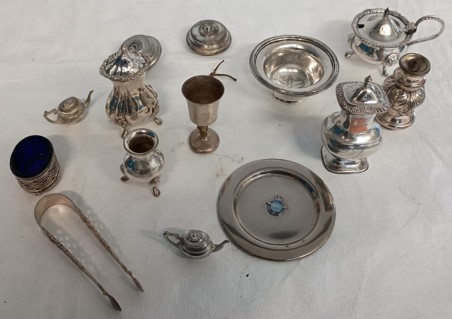
Figure 8: The objects after treatment.
References
Mitchell, S. (2025, September 16). L-cysteine: Everything you want to Know. Mayo Wellness. https://mayowellness.com/l-cysteine/
University of Rochester Medical Center. (2026). Cysteine. Health Encyclopedia. https://www.urmc.rochester.edu/encyclopedia/content?contenttypeid=19&contentid=Cysteine